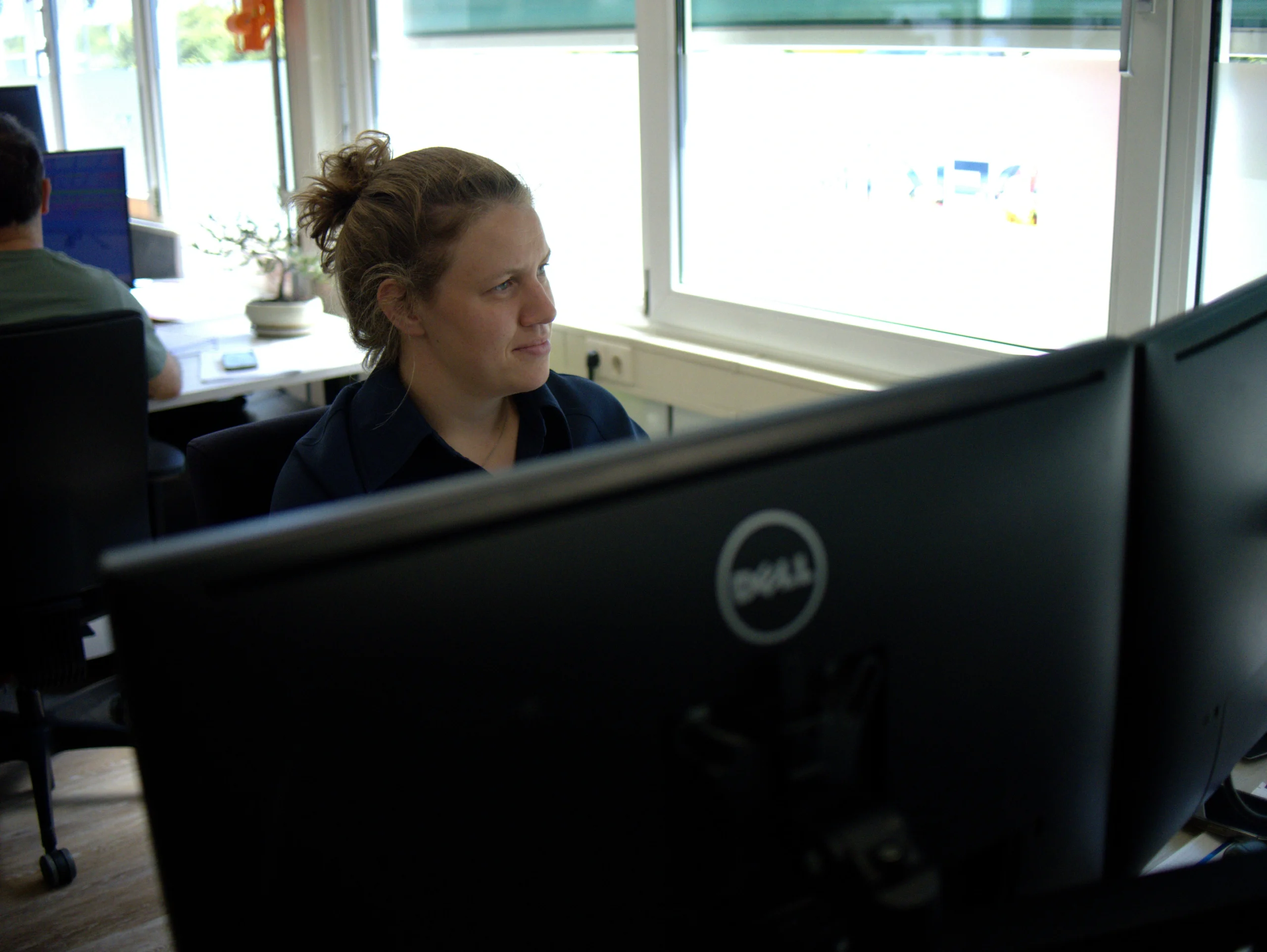

Benthe de Haan joined DEKC for her Naval Architecture degree project at NHL Stenden and stayed on. As a naval architect, she uses FEM, the Finite Element Method, to check whether a ship's plate thicknesses and structural design can withstand the loads it will face, mainly working on offshore vessels for a major offshore client. Until recently, she also played handball at the highest level.
Words by DEKC editorial
“How do you make it work? That's what interests me most.”
Benthe de Haan found her way to DEKC while she was working on her Naval Architecture degree project at NHL Stenden, and she never left. What made her decide to stay was the culture.

There's a straightforward way of communicating at DEKC, driven by one clear expectation: deliver quality work. That suits her. After years of playing handball at the highest level, Benthe combines a perfectionist streak with a habit of giving it her all.
There is also plenty of freedom at DEKC. She approaches her projects as she sees fit, works at her own pace and, if she gets stuck, someone points her towards a colleague who knows more about a certain topic. If one door doesn't lead to an answer, she tries the next. All the expertise she needs is there in the building, and people are happy to share it.
Structural engineering and FEM

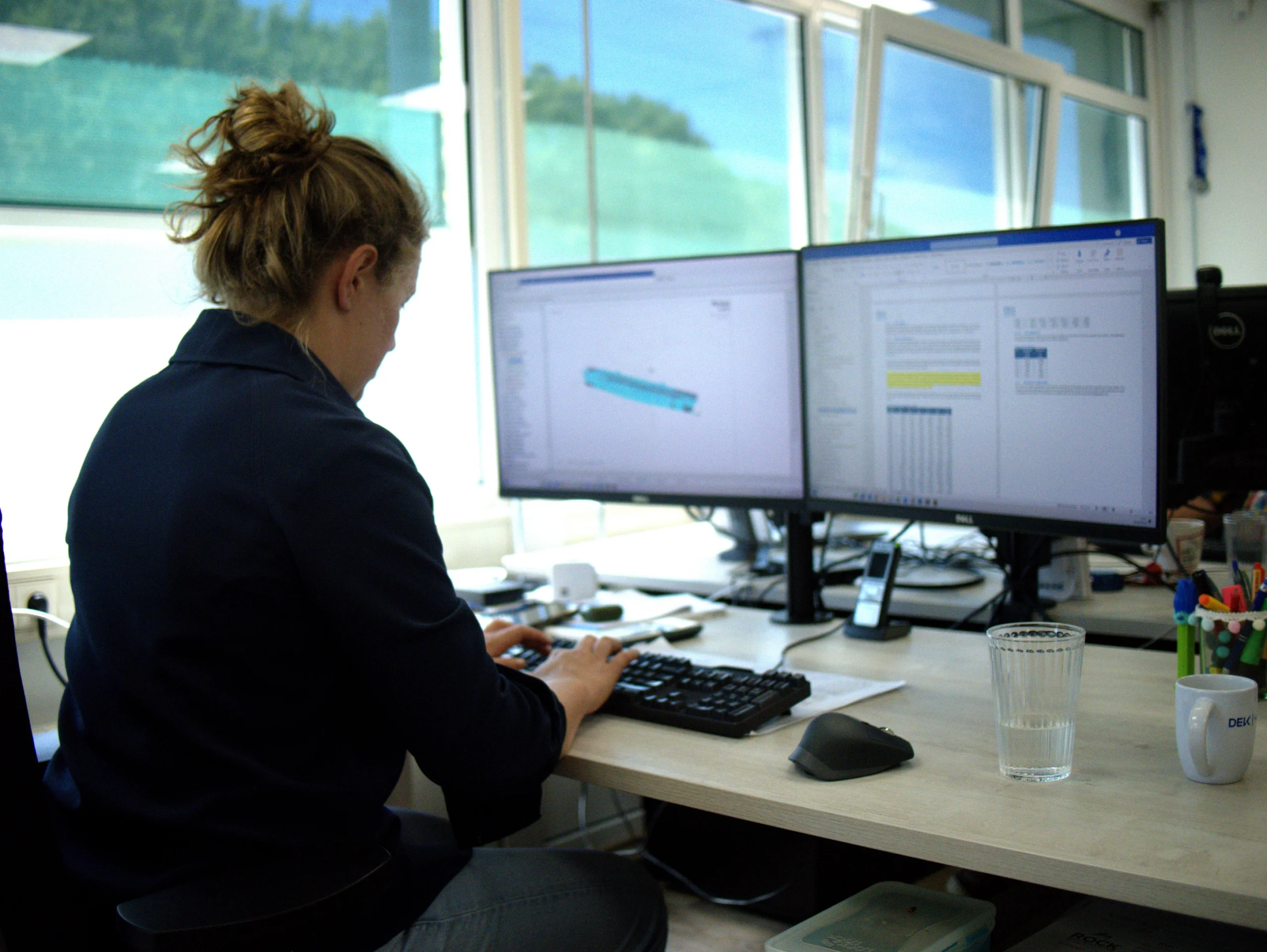
Benthe works on the ship's structural design and analysis. Ships have become so specialised that hand calculations and a spreadsheet no longer cut it, so the work has shifted towards FEM, the Finite Element Method.
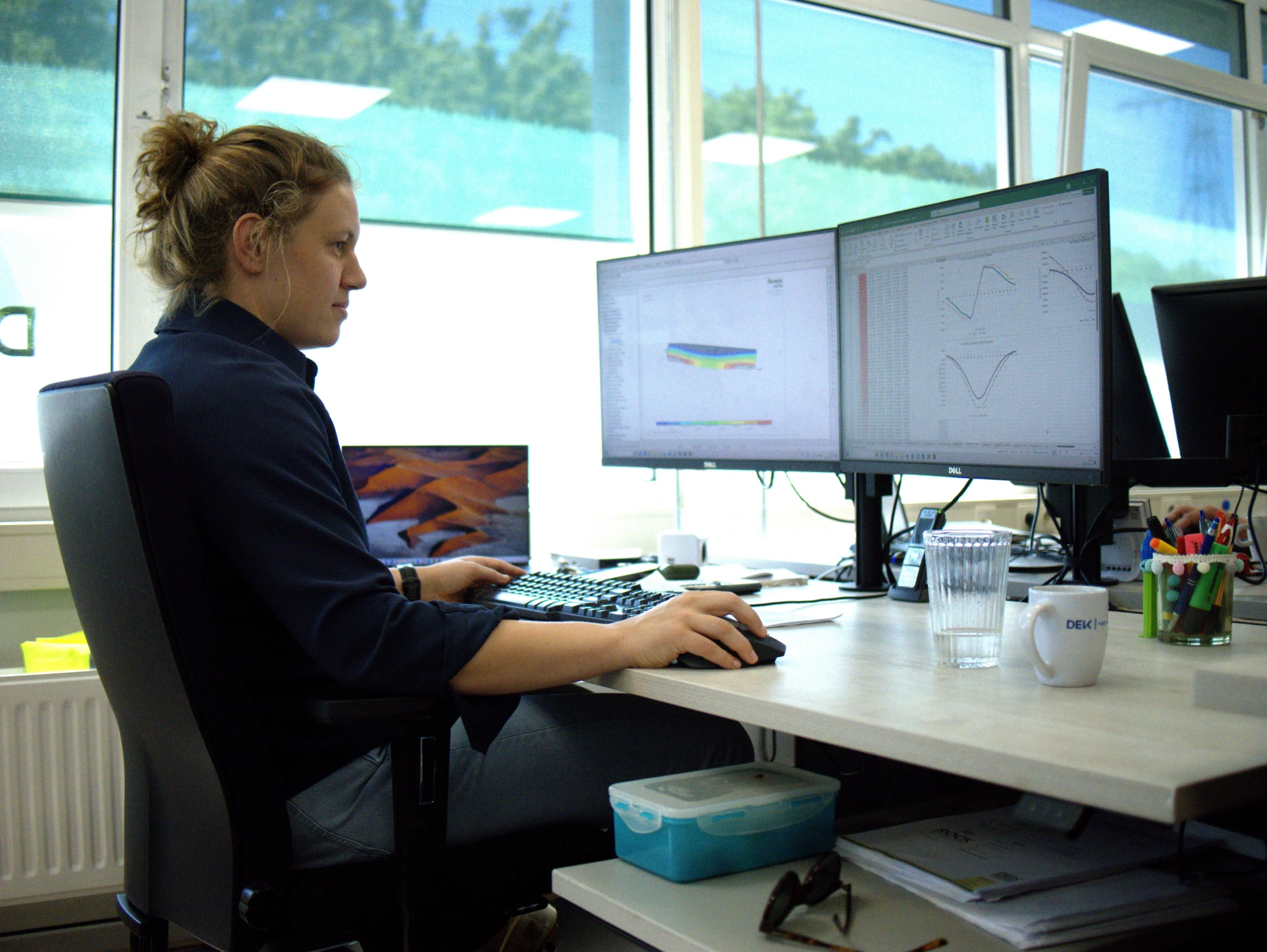
You build a 3D model of the ship, or part of it, apply the loads and let the software calculate where stresses are highest and whether the structure can withstand them. Colleagues do most of the modelling; Benthe handles the calculations. Preparing the input, running the analysis, drawing conclusions.
The design drawing usually comes from Cadmatic, either from the client or from DEKC itself, and a tool transfers it into the analysis software. From there, it is up to the naval architect to check whether everything holds up. Where it doesn't, she has to find a solution that still meets the client's requirements.
Much of that responsibility stays with the structural engineers themselves. If something doesn't pass the checks, it is up to Benthe to revise it until the numbers add up, rather than pass the problem on.
“The client wants to get the most out of it. The classification societies say: this is the limit. It's up to you to find the right way through.
Visiting the yard

Ships have never been her personal passion. She had been aboard a ship now and then as a child, but that was about it, though she does enjoy being out on the water. Naval Architecture happened to be on the programme at NHL Stenden's open day. She liked the feel of the place, and that settled it.
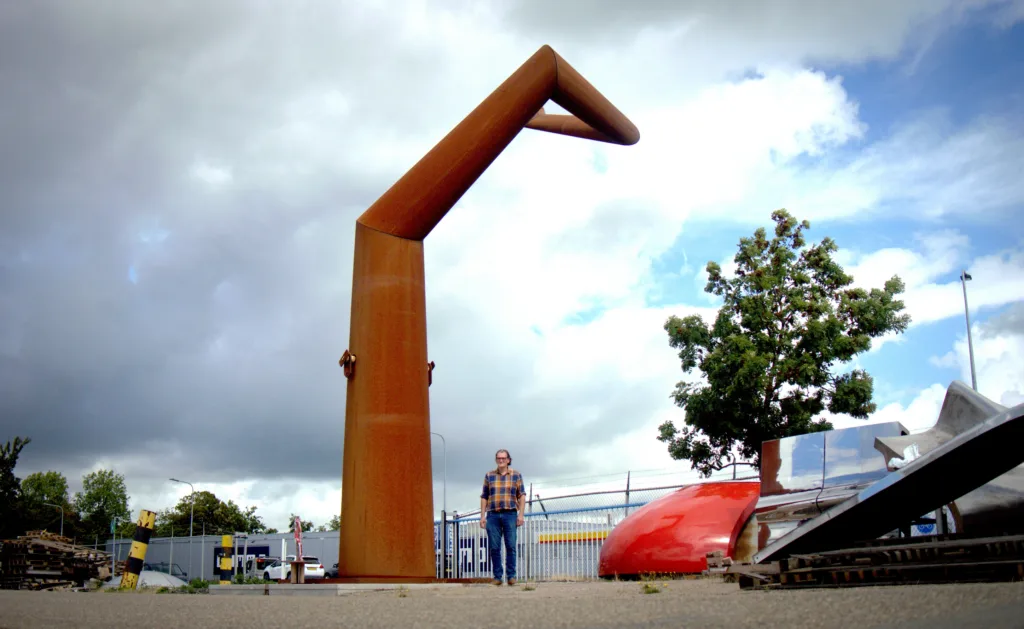
Most of her work is for a major offshore client. Offshore vessel conversions, one-off projects, nothing off the shelf. Fortunately, the client occasionally invites her to visit one of the offshore ships. It is quite a change from her computer screen. "Everything looks small on a screen. You don't get a sense of the dimensions, of how thick the plates are. Then suddenly you see a ship like that in real life, you see how big it is, how everything comes together. That's really nice."
Handball and work

Throughout her degree and final-year project, Benthe kept playing handball at the highest level. Four years in all. Six training sessions a week, four of them during the working week, plus a match at the weekend. It wasn't a problem at DEKC.
"If you talk about it openly and are clear about what you need, the company works with you to make it work. As long as you do your job well."
She has since stopped playing. She had reached the highest level, and it was starting to lose its appeal; wanting to join her colleagues for Friday afternoon drinks once in a while was just one of the signs. She still enjoys sports, but simply as an outlet. And there too, she sets her own pace.
Related