

Productietechniek
Turning vessel designs into production-ready information.
DEKC translates vessel designs into accurate, practical production information that shipyards can work with. Our production engineering covers the complete steel structure and outfitting, from workshop drawings, production fairing and shell plate development to cutting information, pipe isometrics and detailed outfitting drawings.
Our engineers understand both the design behind a vessel and the way it will actually be built. Using advanced 3D engineering tools and extensive shipbuilding experience, we develop production information with fabrication, assembly and installation in mind. Particular attention is given to buildability, tolerances, construction sequence and the efficient use of materials. This makes production engineering the essential link between design and construction.
Whether we engineer a complete vessel or provide production support for a specific part of a project, our aim is the same: clear and reliable information that helps the yard cut, form, assemble and build efficiently.
Workshop drawings and production information
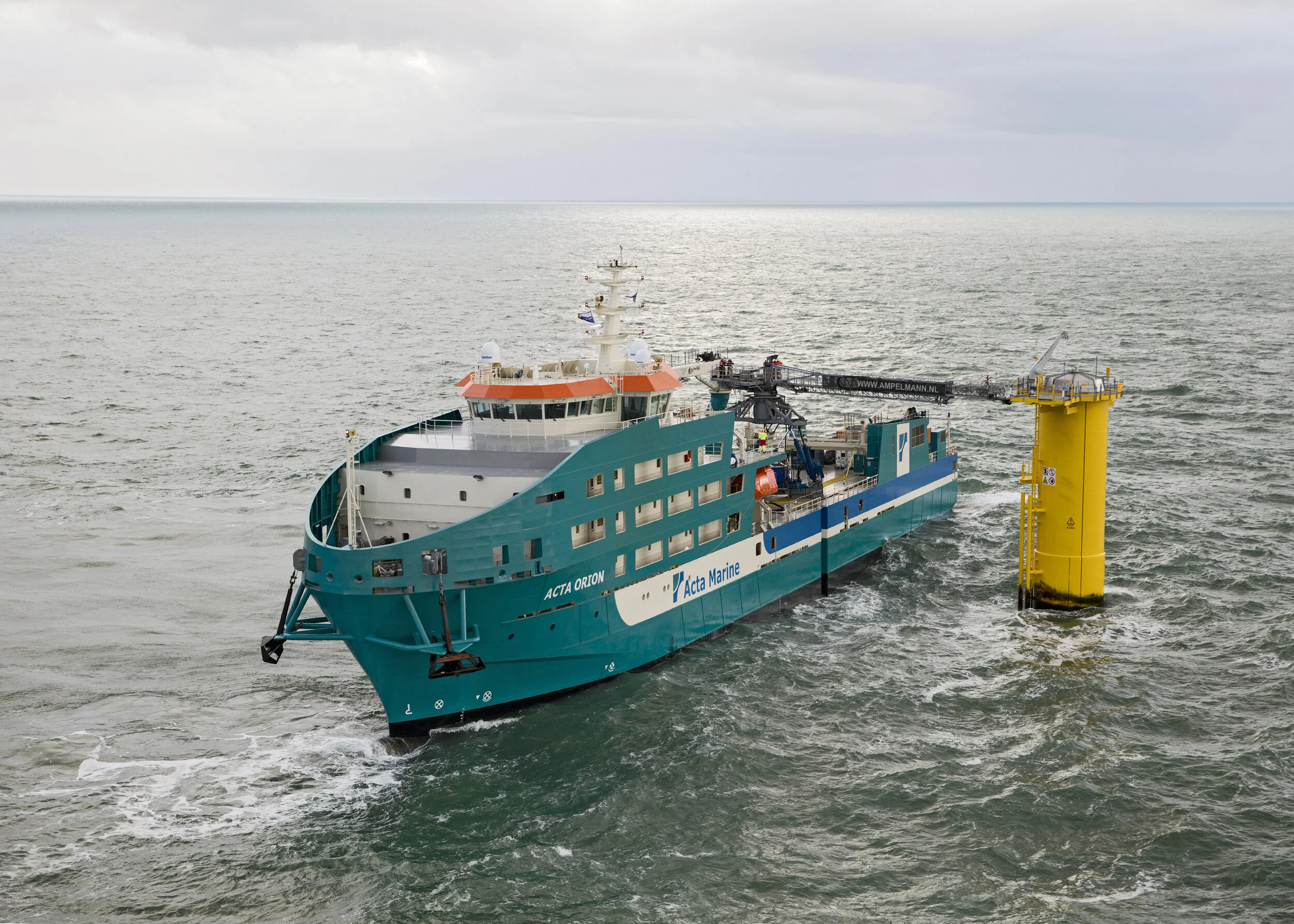
Workshop drawings are the basis to start the production of a vessel.
The workshop drawings are generated from the 3D model and set up according to a standard based on 25 years of experience at DEKC Maritime. The production information (PI) is generated from the same database.
Incorporation of specific yard standards regarding the layout and detailing of these drawings is always possible: our goal is to accelerate your production process.
Fairing and plate development
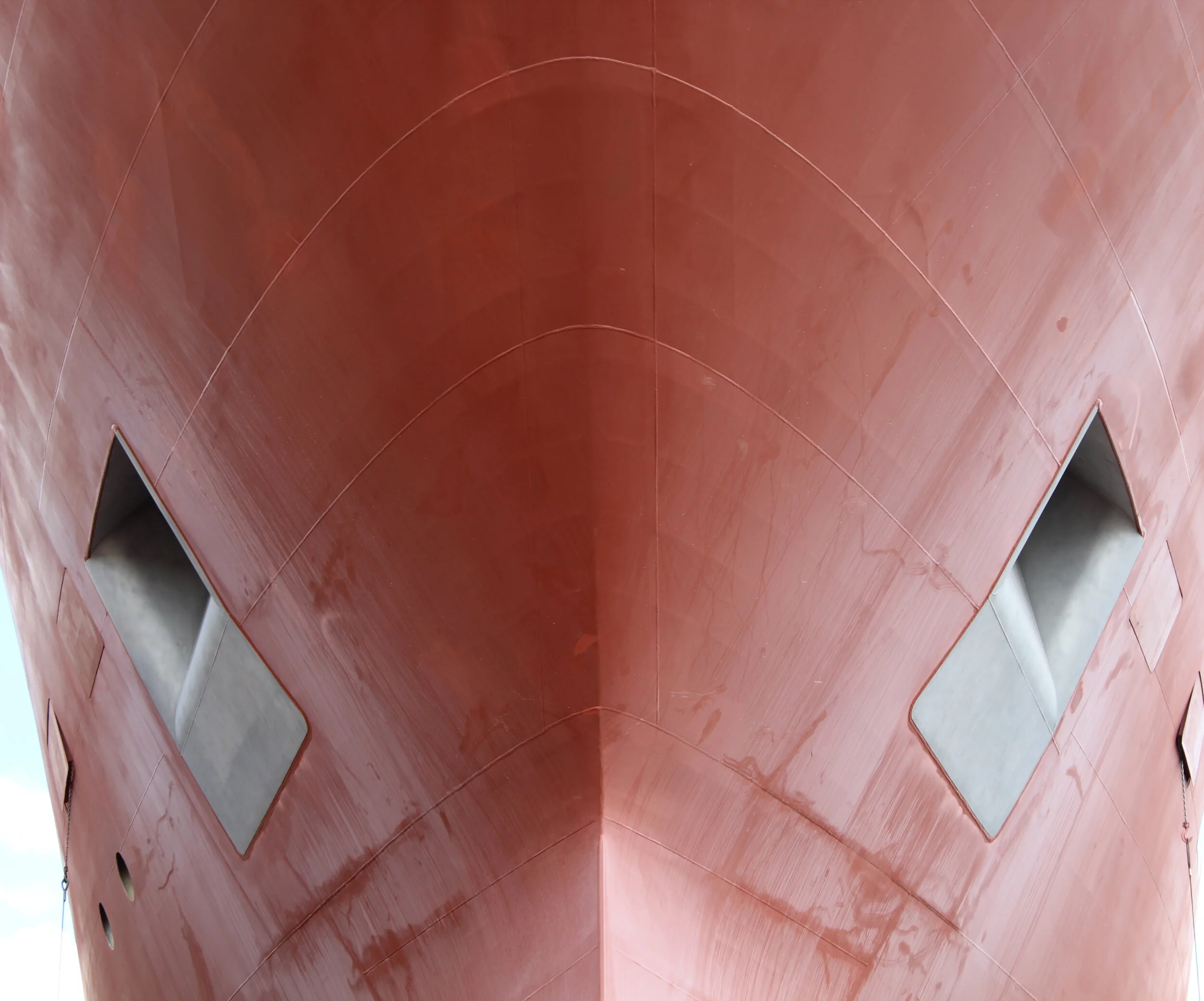
Fairing of a hull requires very specific knowledge and experience.
Using NAPA software, we generate a hull shape based on the requested specifications.
The production-faired hull shape is then transferred to Cadmatic Hull to incorporate the butts and seams. These are placed so as to minimise the amount of deflection in the shell plate, in order to obtain the correct shape.
Outfitting
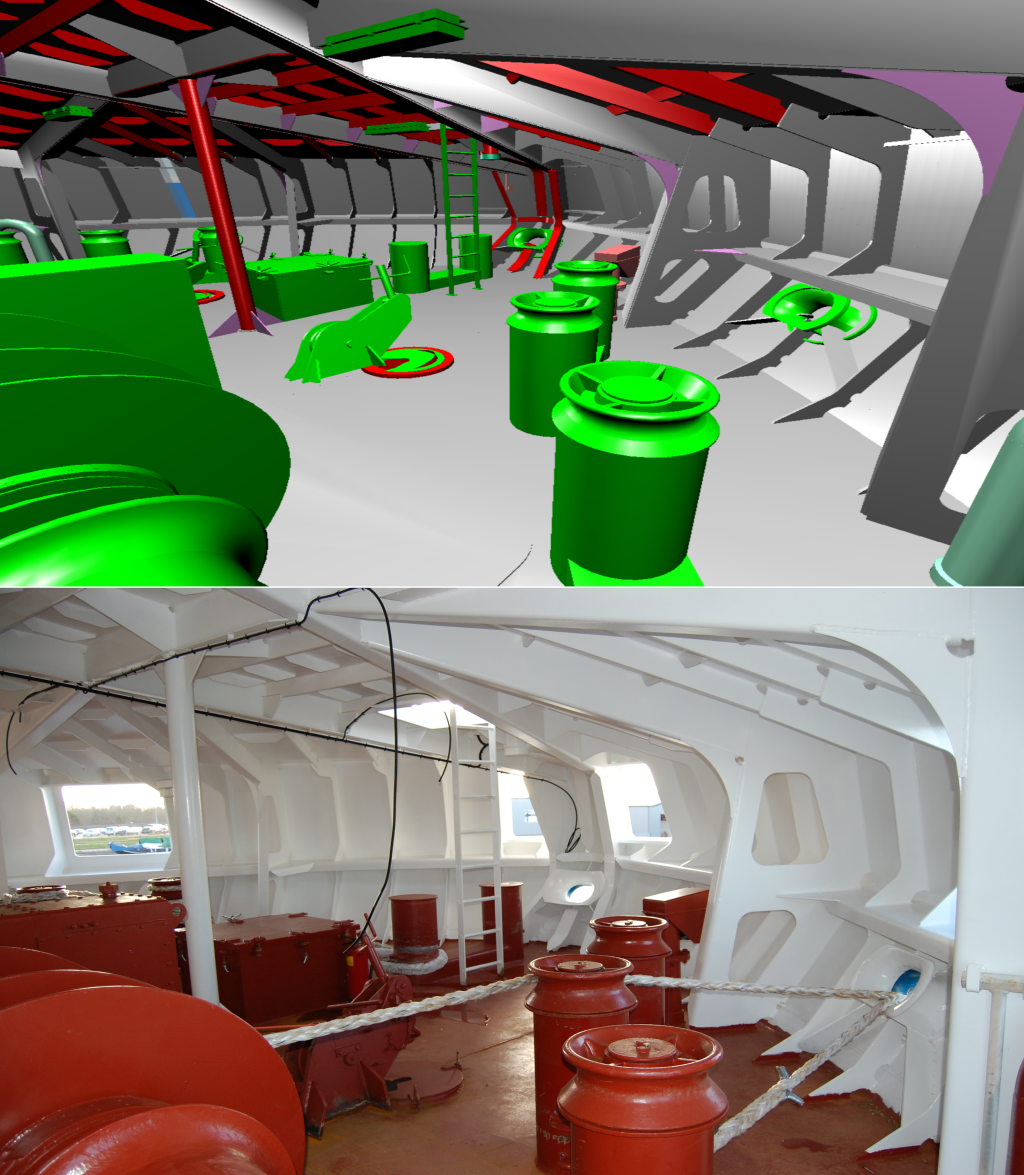
Good design of outfitting items contributes to safety and an efficient working environment.
Besides fulfilling the regulations and requirements, the execution is also important for a safe working environment for the ship's crew.
Therefore, at DEKC we think out and engineer these items at an early stage by means of 3D software. This enables good reviewing options regarding safety and available space, and can easily be converted to production drawings.
Proof on real vessels
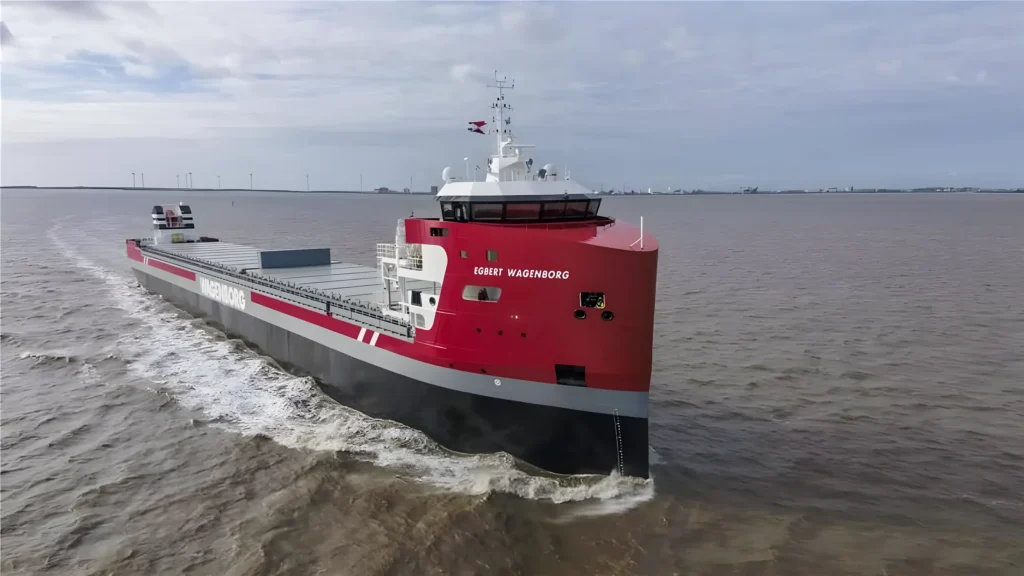
Easymax
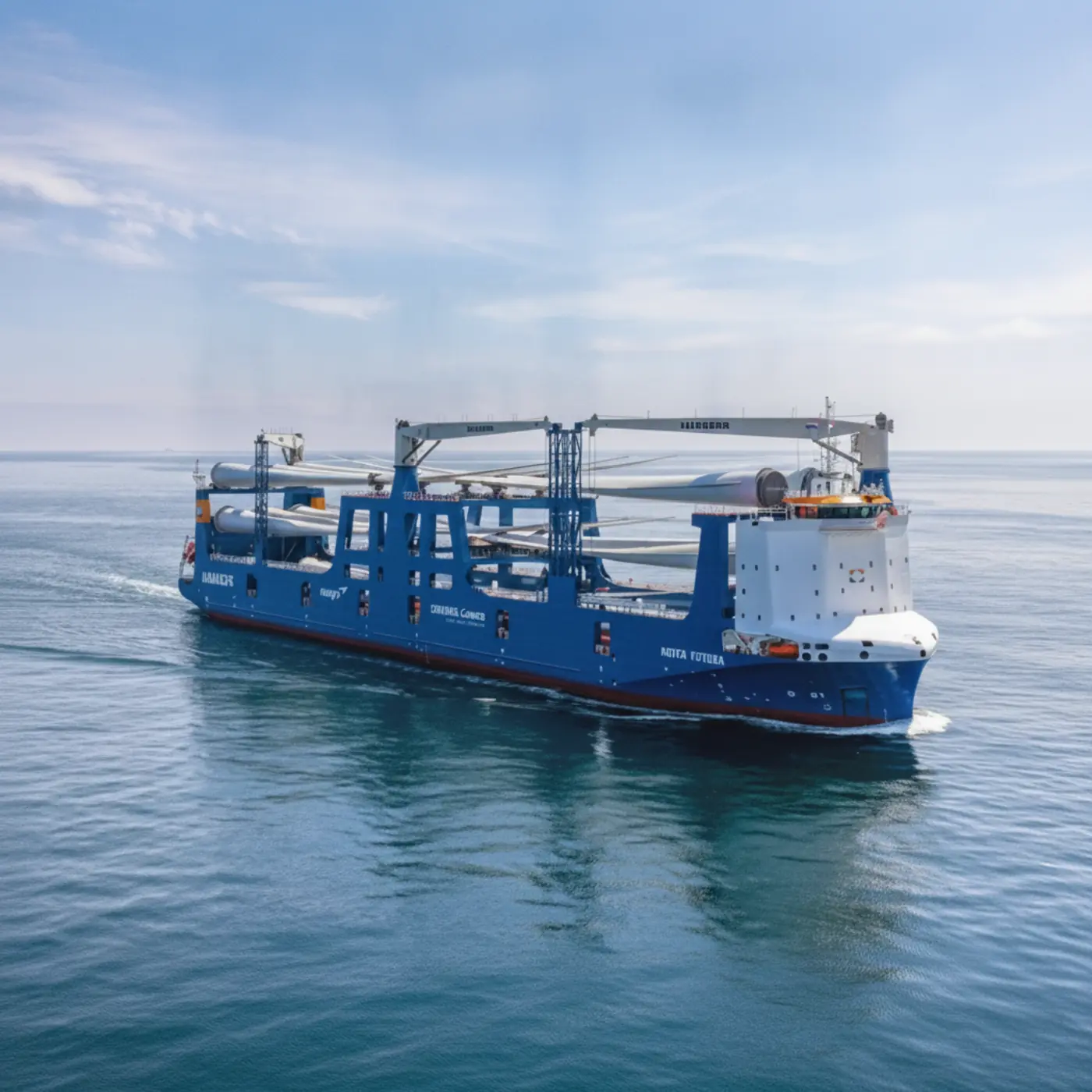
Het EasyMax-scheepstype van Wagenborg biedt een extreem hoge laadcapaciteit voor zware ladingen en bulkgoederen, bij een voor zijn klasse minimaal brandstofverbruik. Het ontwerp omvat open-top-mogelijkheden en twee grote laadruimen voor flexibele ladingoperaties.
DEKC Maritime verzorgde het volledige constructieve ontwerp en de detailengineering, inclusief het opstellen van bouwplannen, klassegoedkeuring, werkplaatstekeningen voor de scheepswerf en productie-informatie voor de staalleverancier. Het team voerde talrijke sterktebeoordelingen uit via FEM-berekeningen.
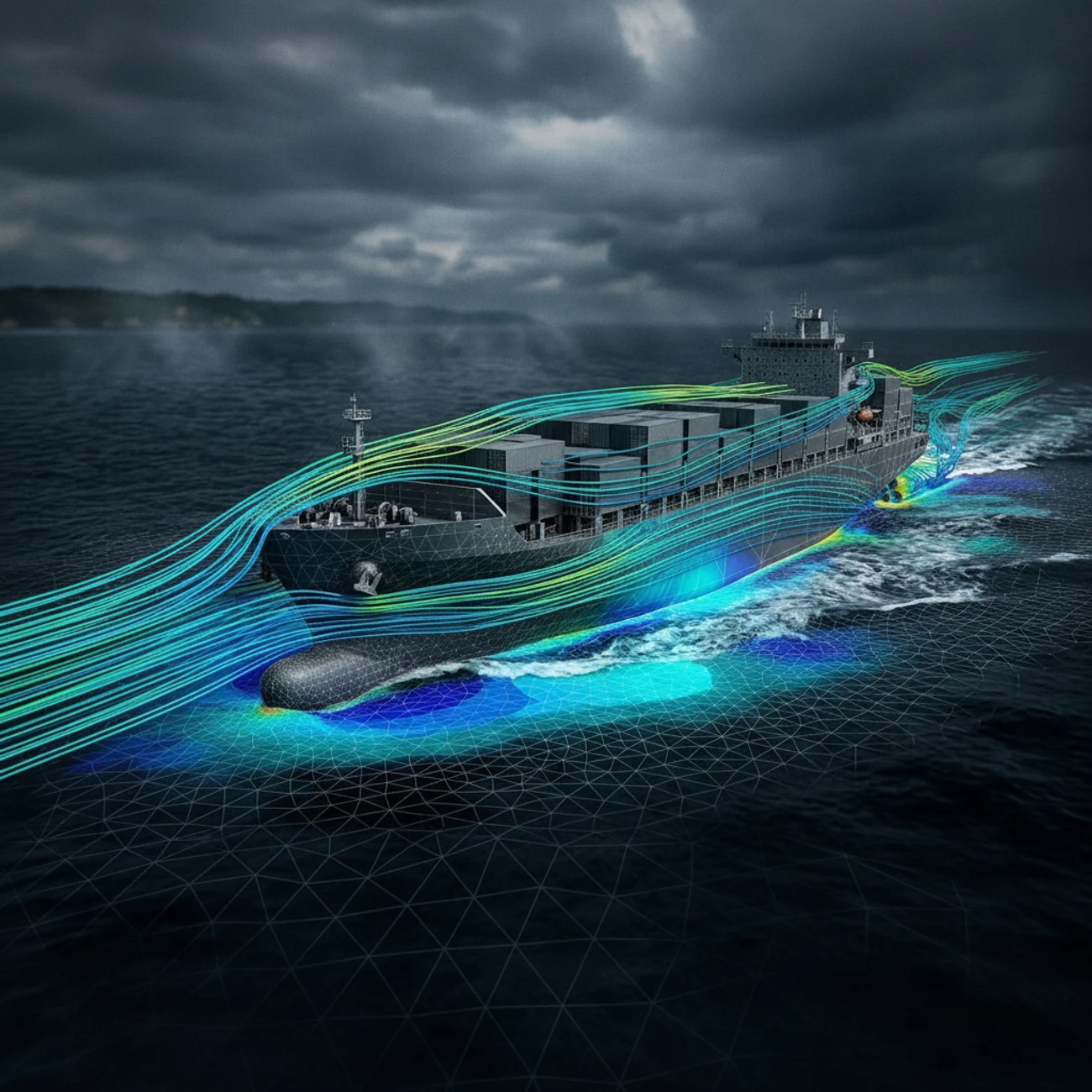
Voor het tweede zusterschip werkte DEKC samen met de scheepswerf aan een onderzoek naar de luchtweerstand. De lucht- en onderwaterweerstand werden geëvalueerd door middel van CFD-berekeningen, waarbij rekening werd gehouden met gekoppelde effecten zoals giermomenten en roeruitwijking. Deze analyse leidde tot aerodynamische aanpassingen aan de bovenbouw om het totale brandstofverbruik te verlagen.
Belangrijkste gegevens: LOA 150,0 m · Breedte 15,9 m · Diepgang 8,6 m · DWT 14.300 t · Status gebouwd · Aantal gebouwd 2.