

Maritime sustainability: streamlining and steel sails
In a world where sustainability and environmental friendliness are becoming increasingly important, many industries are searching for innovative ways to reduce their impact on the environment. The maritime sector, historically known for its polluting emissions and environmental i…
In a world where sustainability and environmental friendliness are becoming increasingly important, many industries are searching for innovative ways to reduce their impact on the environment. The maritime sector, historically known for its polluting emissions and environmental impact, is also shifting its focus towards a greener future. One of the developments, for instance, involves smartly utilizing the wind through streamlining and steel sails.
From racing bikes to ships
In recent years, there has been a growing focus on reducing air resistance. How can we smoothly cut through the air? The idea is similar to racing bikes. While a regular bicycle tube is round, a racing bike uses a streamlined air foil profile to minimize resistance. We have applied this concept to ships. Our focus is on creating a clean and practical design, striving for maximum efficiency without compromising the ship’s practical usability.
Smart streamlining
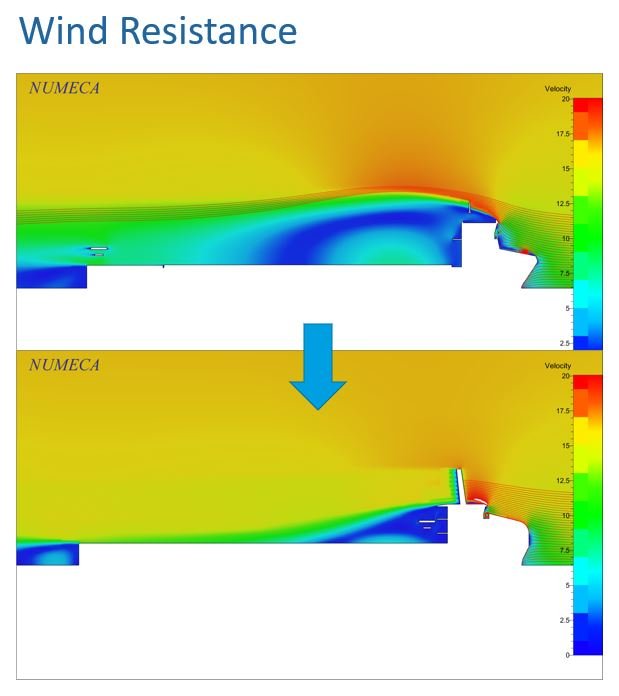
Did you know that adjusting the shape of a ship can result in a fuel saving of five to ten percent? And all this without extra costs! While traditional ships often have a large block where the crew resides, we have found that streamlining this part and the rest of the ship can lead to significant savings. This is an aspect that received little attention until ten years ago. However, thanks to advanced modelling and prediction technologies, we now have the ability to analyse and optimize accurately. So why not take advantage of this opportunity?
Steel sails
Although not every type of ship is suitable for a streamlined superstructure, it is an ideal solution for many general cargo ships. Additionally, we also integrate steel sails on ships. These sails more closely resemble aircraft wings standing upright than a traditional canvas sail and mast. By making these sails rigid, it becomes easier to automate their operation, and allows higher efficiencies to be achieved. In some cases, a technique called boundary layer suction can be used to increase the efficiency of the sail even more by installing a fan inside the sail tower. As designers, we take the aerodynamics of both the sails and the ship into account: in doing so, we ensure that both the sails and the ship can function optimally.
Promising perspective
In addition to fuel savings, steel sails also contribute to reducing CO2 emissions and make ships less dependent on fossil fuels. Smartly harnessing the power of the wind offers a promising perspective for more environmentally friendly navigation and can play a crucial role in promoting sustainability in the shipping industry.
More insights
Continue reading other updates and stories from our work.
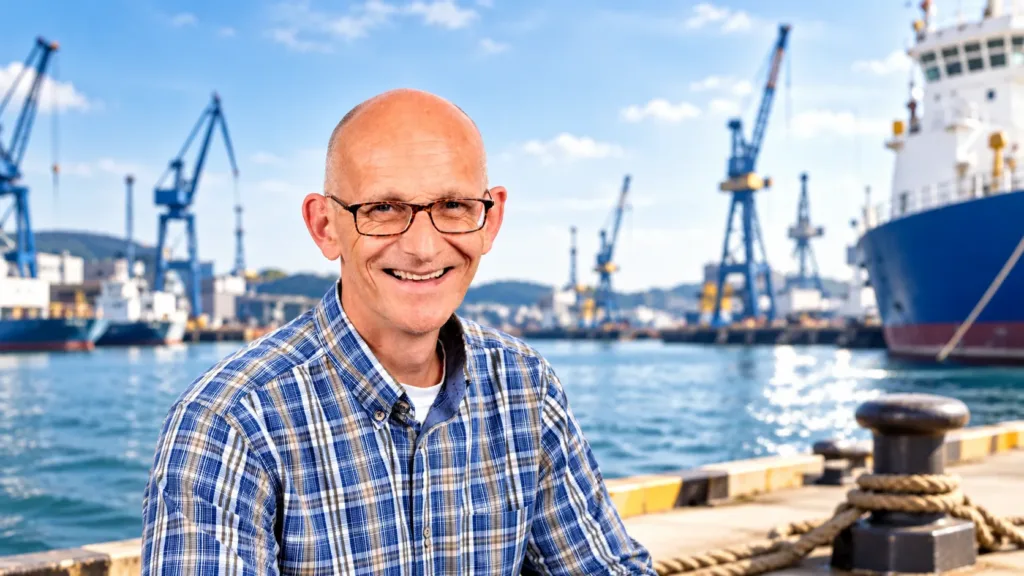
40 Years of Pure Craftsmanship, Gerhard Venema’s 40-Year Work Anniversary
Some milestones are simply too special to go unnoticed. And celebrating 40 years of dedication, expertise and craftsmanship is certainly one of them.
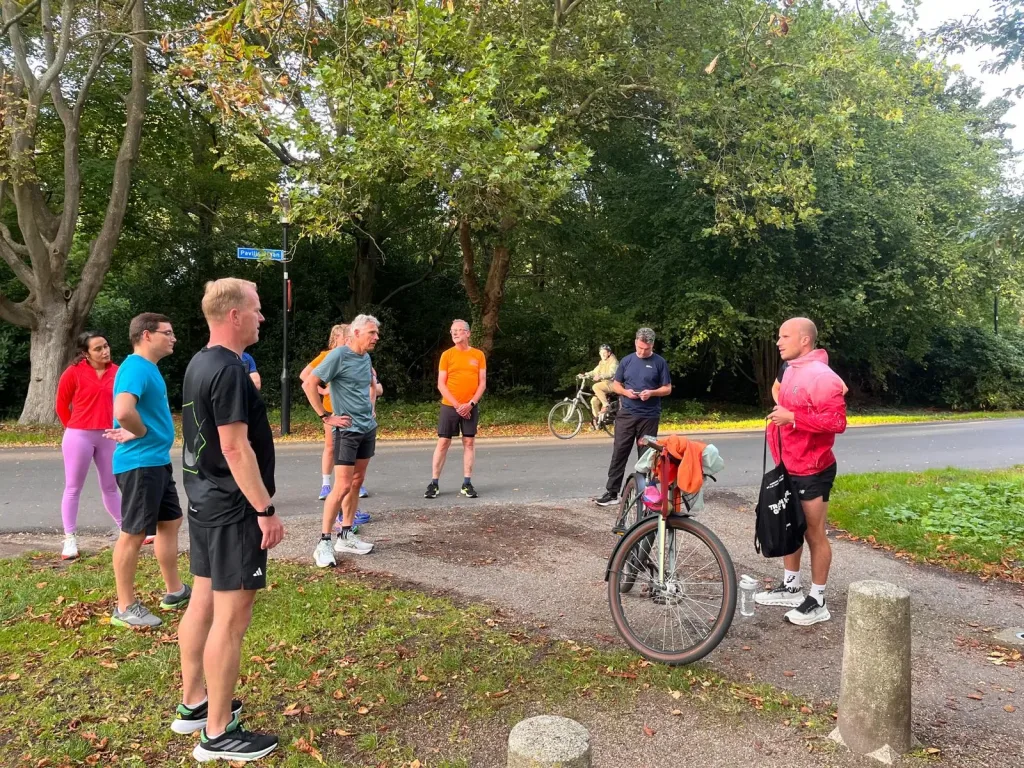
Engineering meets a game of interval tag
We’re lucky to get along just as well outside working hours as we do in the office. Some colleagues head to the pub together, while others prefer to challenge e…
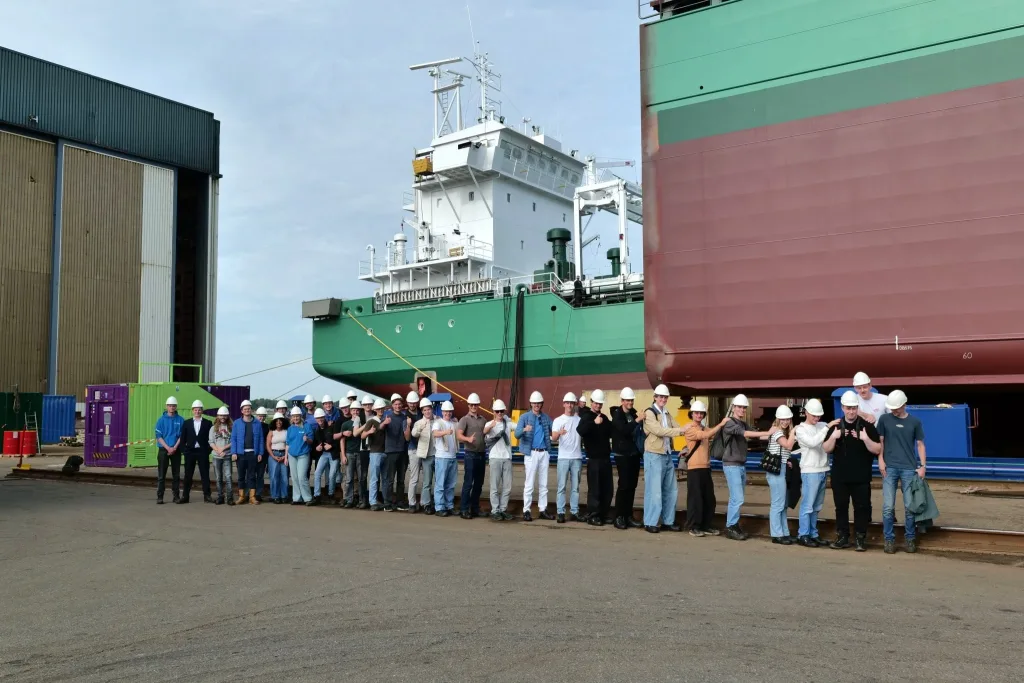
Future maritime talent gets a closer look at shipbuilding
Recently we welcomed 40 first- and second-year Maritime Engineering students from NHL Stenden and student association Navigo Ergo Sum (SV NES) for a full day fo…
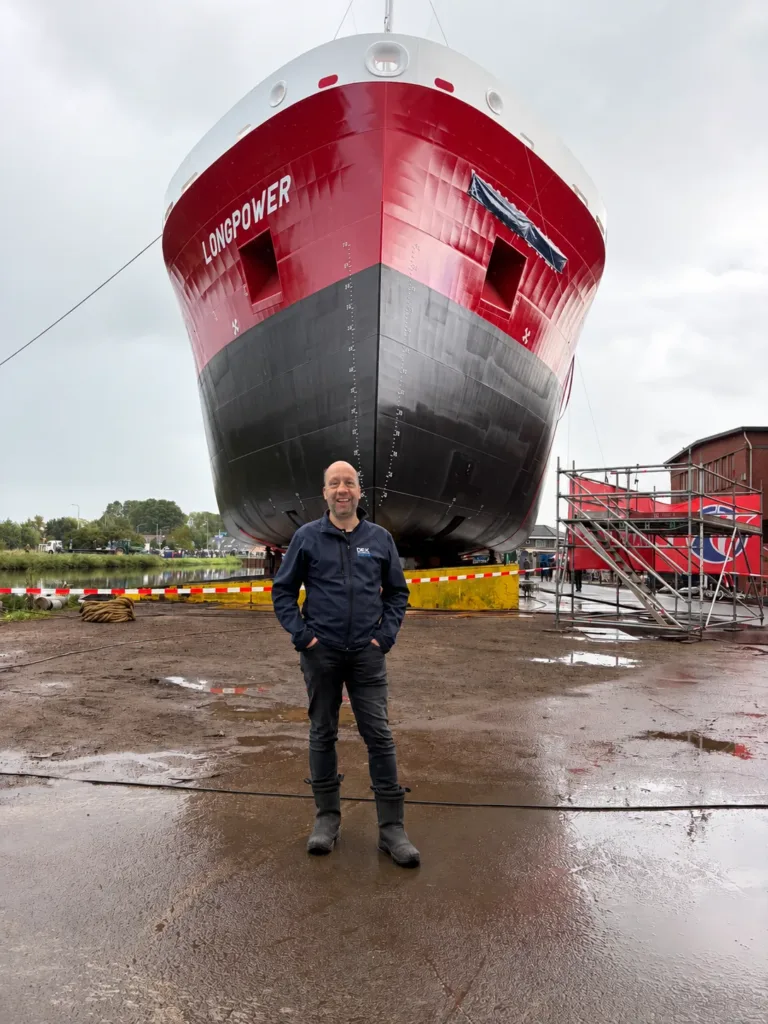
From engineering to launch: a proud moment for Age Jan
LONGPOWER, built for Longship, has successfully entered the water in Waterhuizen. The vessel is part of Longship’s PMAX ECO TRADER series of eight ships. Design…
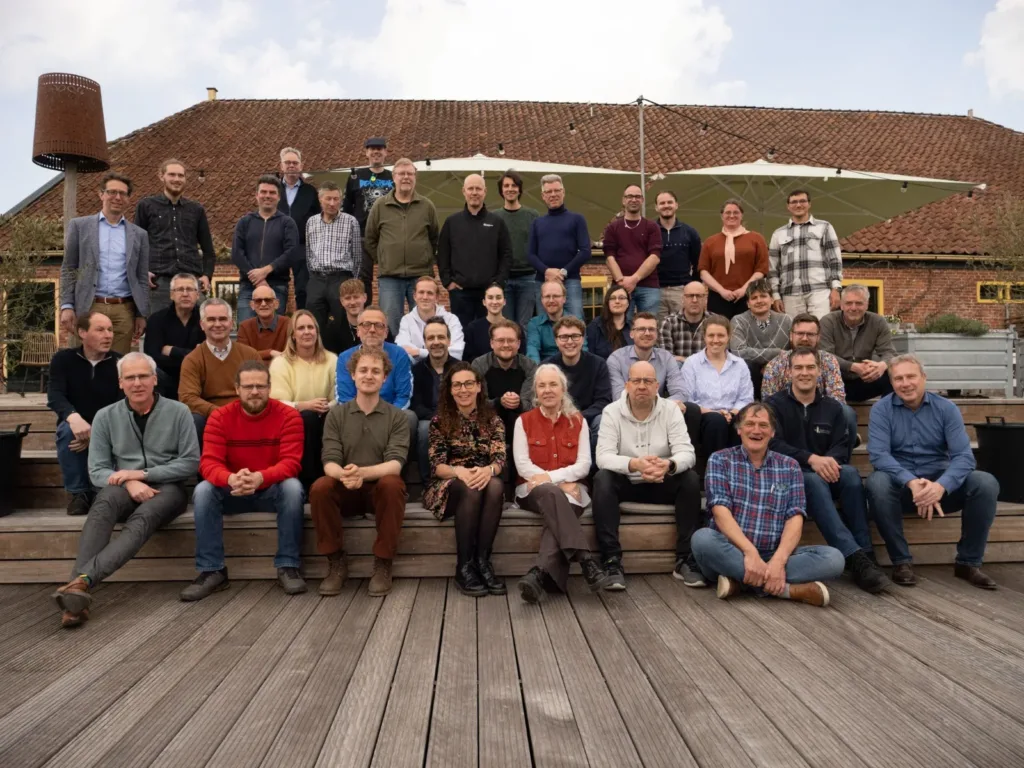
Staying on course, together
At DEKC Maritime, our people shape more than engineering projects. They also help shape the future of our company. As an independent design & engineering partne…
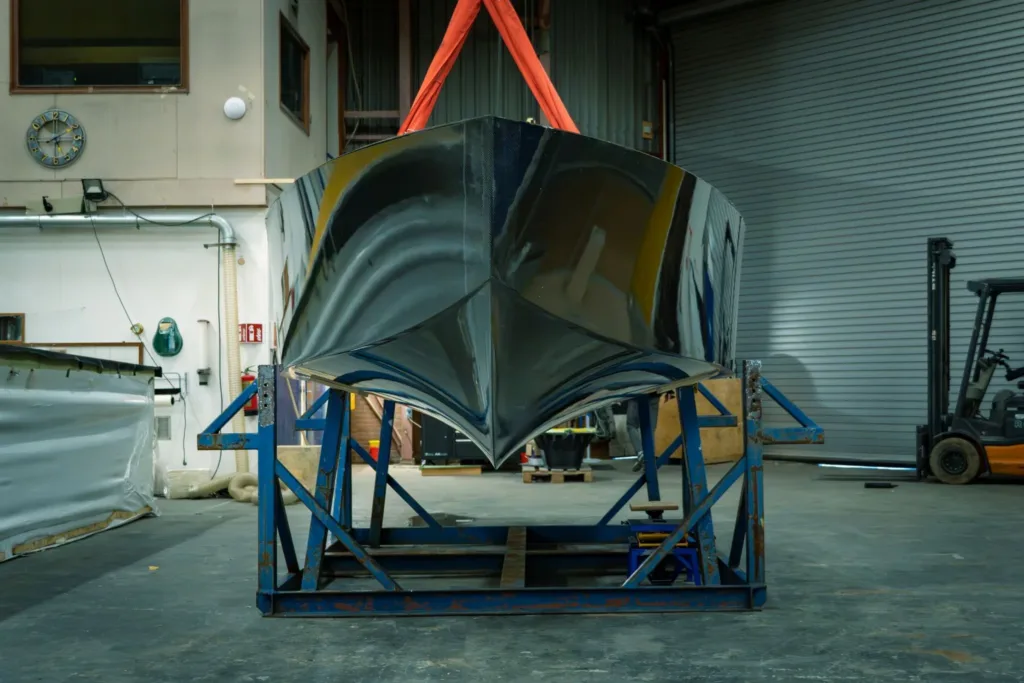
CFD support for the TU Delft Hydro Motion Team
The TU Delft Hydro Motion Team develops an innovative hydrogen-powered foiling boat to compete at the forefront of sustainable maritime technology. Designing an…

On the water with WSCP: supporting waterskiing in Groningen
Our connection with the club comes through our IT Manager Jan Willem, who has been involved with WSCP for many years and knows the Paterswoldsemeer very well.
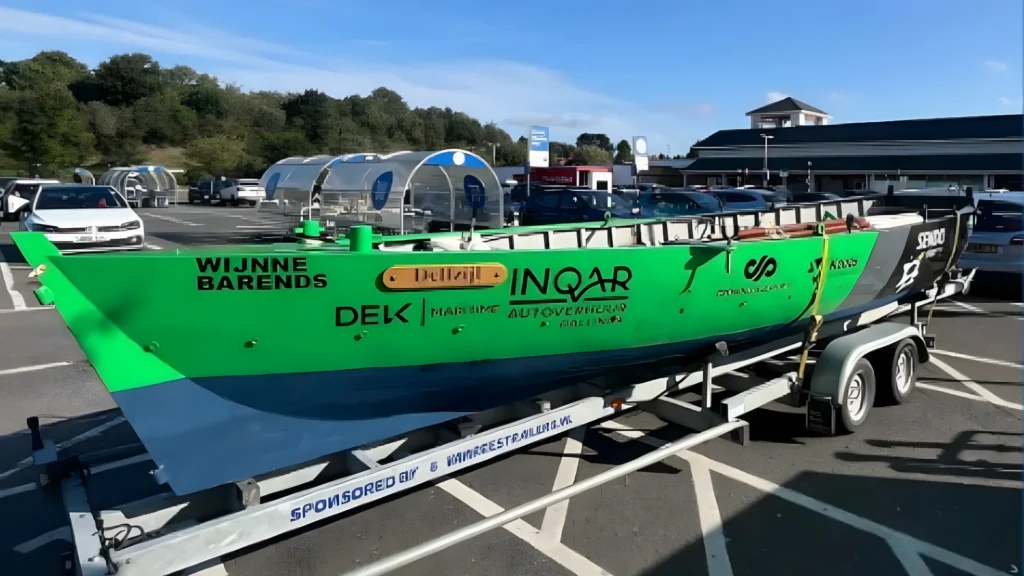
Delfzijl Rowing Club
Sloeproeivereniging Delfzijl, supported by DEKC Maritime, took part in the Great River Race, a 21.6-mile rowing marathon along the Thames in London.