

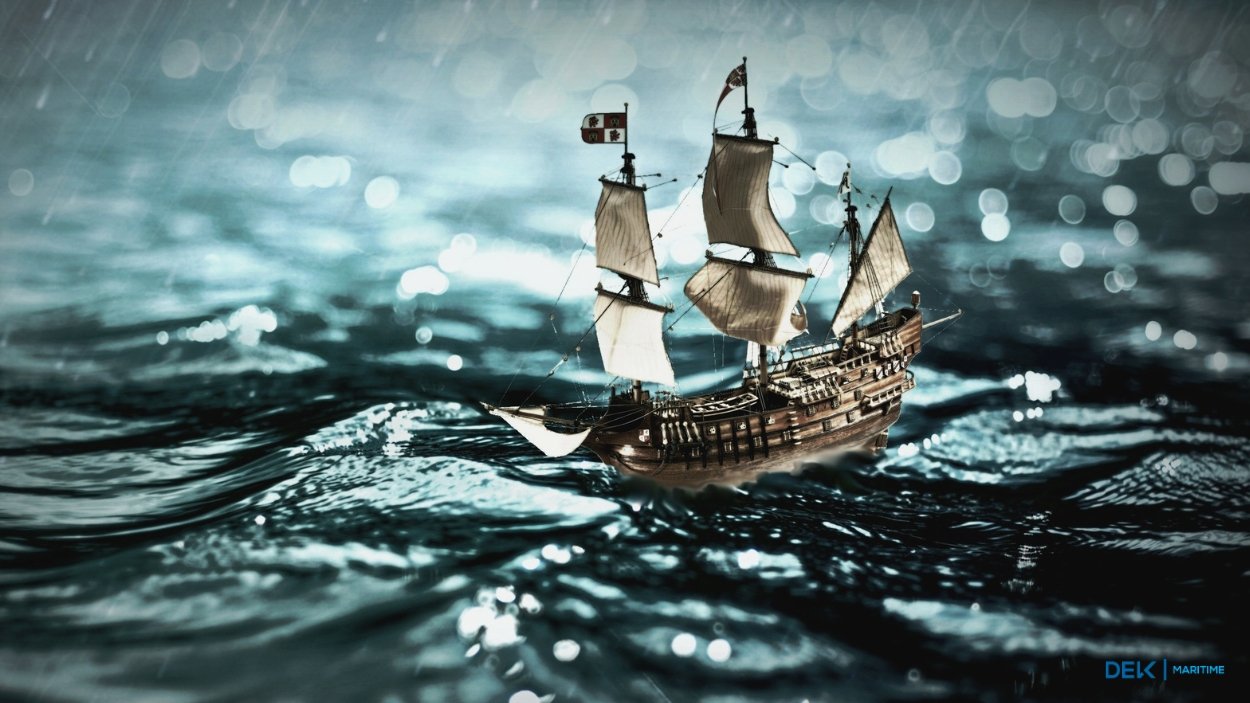
Calculations can be performed ten times quicker
Our team designs and creates vessels. Sometimes we start with a well-developed plan, sometimes we start from zero with just an idea. Designing a vessel is a complicated project. It does not only need to be able to sail from A to B: it must also be able to withstand waves, current…
Our team designs and creates vessels. Sometimes we start with a well-developed plan, sometimes we start from zero with just an idea. Designing a vessel is a complicated project. It does not only need to be able to sail from A to B: it must also be able to withstand waves, currents, extreme weather conditions and other heavy forces. What’s more, the vessel must be manageable for the crew. The challenge? Crafting a vessel that not only reaches its destination safely but also performs its job reliably, no matter the conditions. How do we ensure that every ship meets these demands?
From air to sea
Our naval architects at DEKC Maritime are dedicated to calculating and testing the structural integrity and performance of vessels. Our team includes experts with diverse backgrounds, such as aerospace engineering. One team member recalls, “During my studies, I focused on the design and construction of aircraft. Later, I conducted research on the interaction between vessels and water currents in Groningen.”
Designing for both air and sea might appear vastly different, but there are strong parallels. One specific similarity is the propellers. “Both wind turbines and marine propellers face massive forces, and we use some of the same mathematical formulas to calculate the impact of water and air,” explains one of our naval architects. Indeed, air and water currents share fundamental physical laws, making similar calculations applicable to both.
The distinction, however, lies in the numbers themselves. “Calculating the forces of ocean currents brings unique challenges, especially with waves,” they note. “Water is rarely still, and vessels are frequently subjected to intense forces from waves, weather, and currents, posing one of the primary challenges in vessel design.”
Lengthy calculations
Calculations play a crucial role in describing the interaction between various systems. Take, for example, a free-fall lifeboat launched from a downward slope off a vessel. This lifeboat must withstand the impact of hitting the water surface, which is assessed through Fluid Structure Interaction (FSI) analysis. These are not simple calculations done with a calculator or on paper; they are highly complex and large-scale. In fact, such calculations were initially almost impossible due to their length, often taking days to complete.
Thanks to advancements made during our doctoral research, this calculation process has been significantly shortened. Today, these complex analyses can be conducted up to ten times faster. By improving the conditions under which calculations are performed and optimizing how different systems interact, these calculations, though still time-intensive, are now feasible.
The right side up
At DEKC Maritime, our experts apply their knowledge and research to design new vessels and modify existing ones. As we like to joke, designing a vessel might seem simple: it just needs to stay upright! In reality, however, it’s a highly intricate process. Most vessels we work on are unique, each with specific properties and requirements. Factors such as vessel movement, currents, aerodynamics, and stability are all carefully analyzed and balanced.
Each member of the DEKC Maritime team has their own area of expertise. For instance, one team calculates the forces of sea currents interacting with the vessel’s structure, while another team focuses on reinforcing the vessel to withstand those forces. If a vessel must handle waves as high as 8 meters, the teams coordinate closely to create a design that is both practical and cost-effective for our client.
Collaboration is a core value at DEKC Maritime. Our team members work openly and cooperatively, each bringing unique expertise and perspectives to the table to solve complex challenges together. This commitment to teamwork is one of our greatest strengths and a key part of what makes working at DEKC Maritime so rewarding.
Future challenges
Many challenges in maritime engineering continue to present exciting research opportunities. For instance, we are exploring floating structures, such as solar panels designed to float on the sea’s surface. These structures must be flexible enough to adapt to wave movements, allowing them to withstand forces from sea currents more effectively. Calculating how to create such resilient and adaptable designs is fascinating work, though floating constructions remain an innovative vision for the future.
More insights
Continue reading other updates and stories from our work.
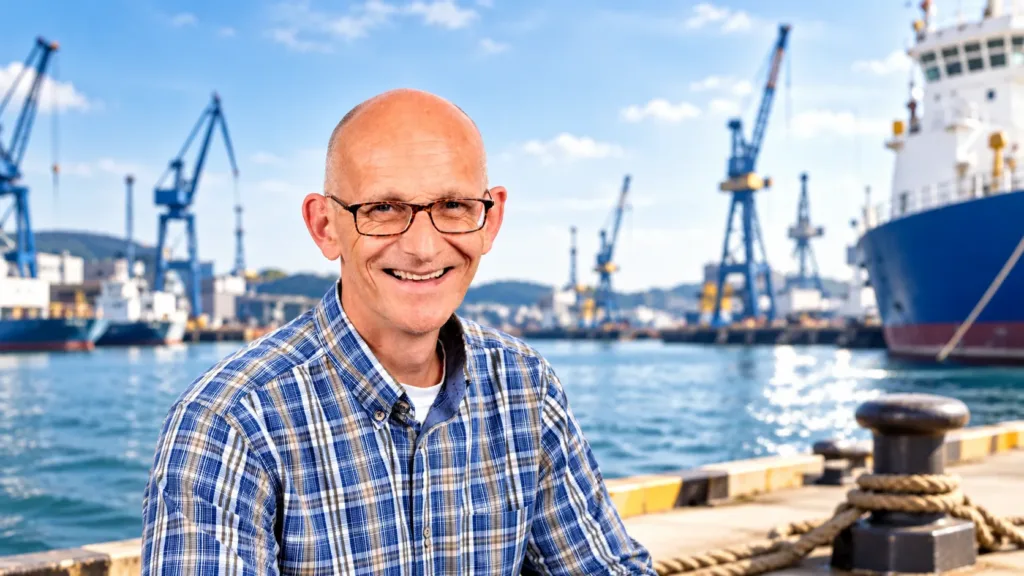
40 Years of Pure Craftsmanship, Gerhard Venema’s 40-Year Work Anniversary
Some milestones are simply too special to go unnoticed. And celebrating 40 years of dedication, expertise and craftsmanship is certainly one of them.
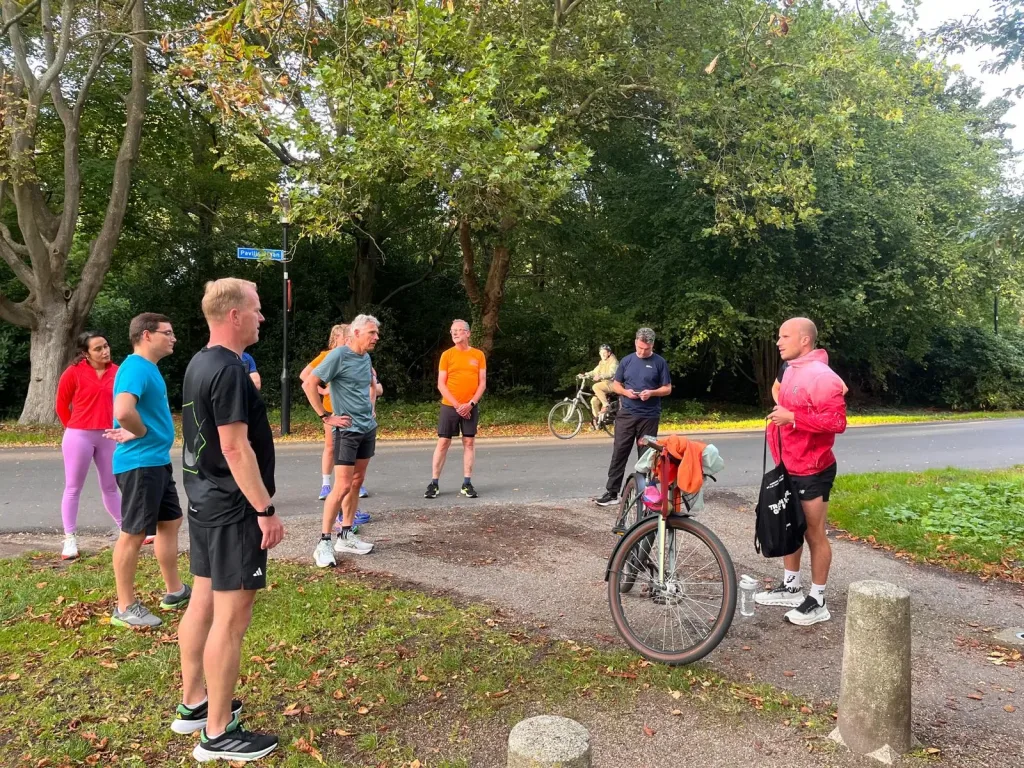
Engineering meets a game of interval tag
We’re lucky to get along just as well outside working hours as we do in the office. Some colleagues head to the pub together, while others prefer to challenge e…
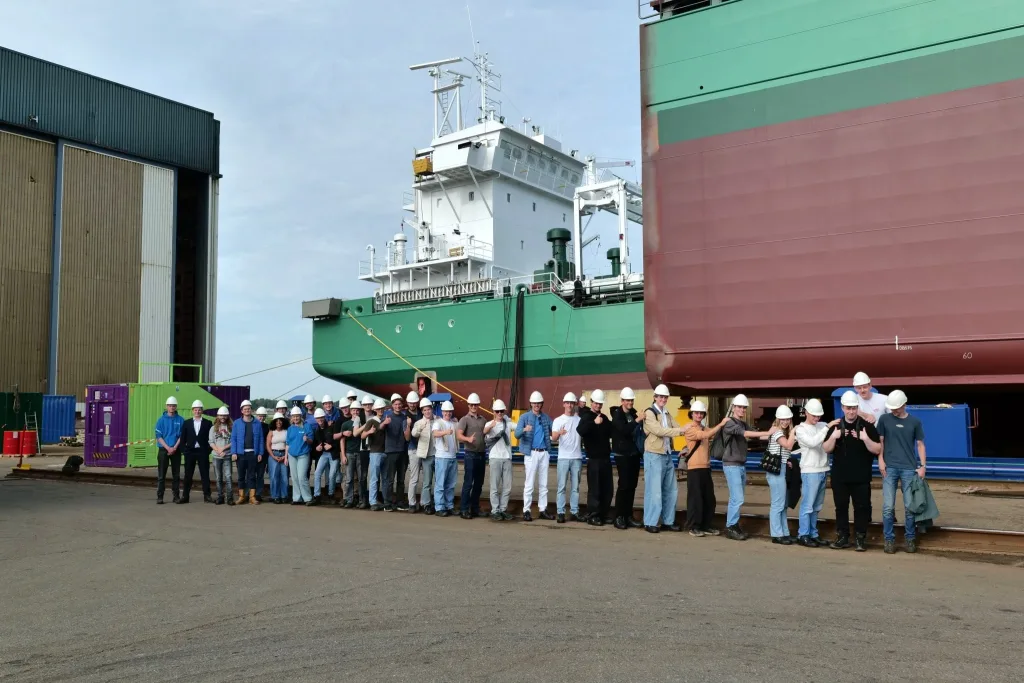
Future maritime talent gets a closer look at shipbuilding
Recently we welcomed 40 first- and second-year Maritime Engineering students from NHL Stenden and student association Navigo Ergo Sum (SV NES) for a full day fo…
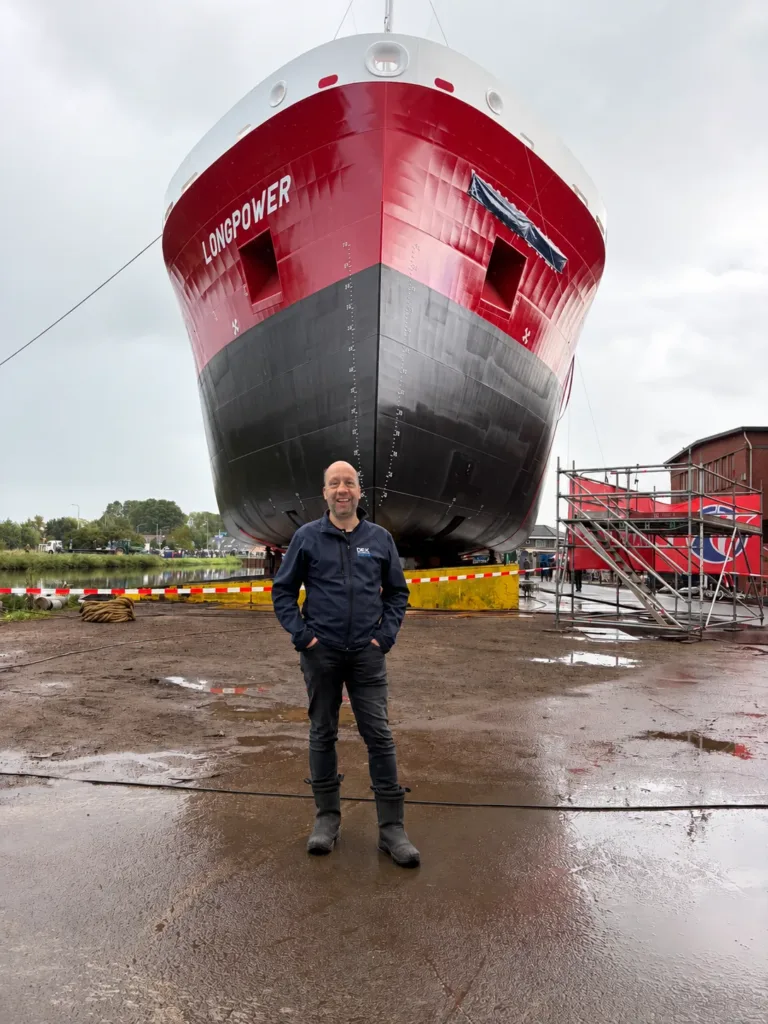
From engineering to launch: a proud moment for Age Jan
LONGPOWER, built for Longship, has successfully entered the water in Waterhuizen. The vessel is part of Longship’s PMAX ECO TRADER series of eight ships. Design…
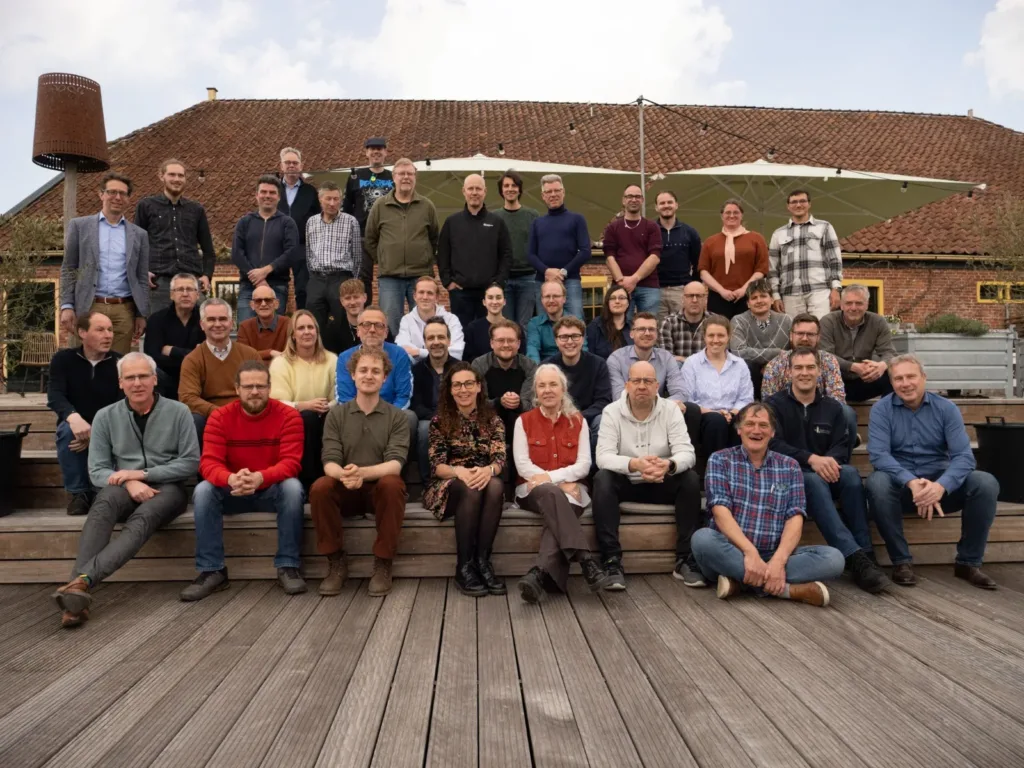
Staying on course, together
At DEKC Maritime, our people shape more than engineering projects. They also help shape the future of our company. As an independent design & engineering partne…
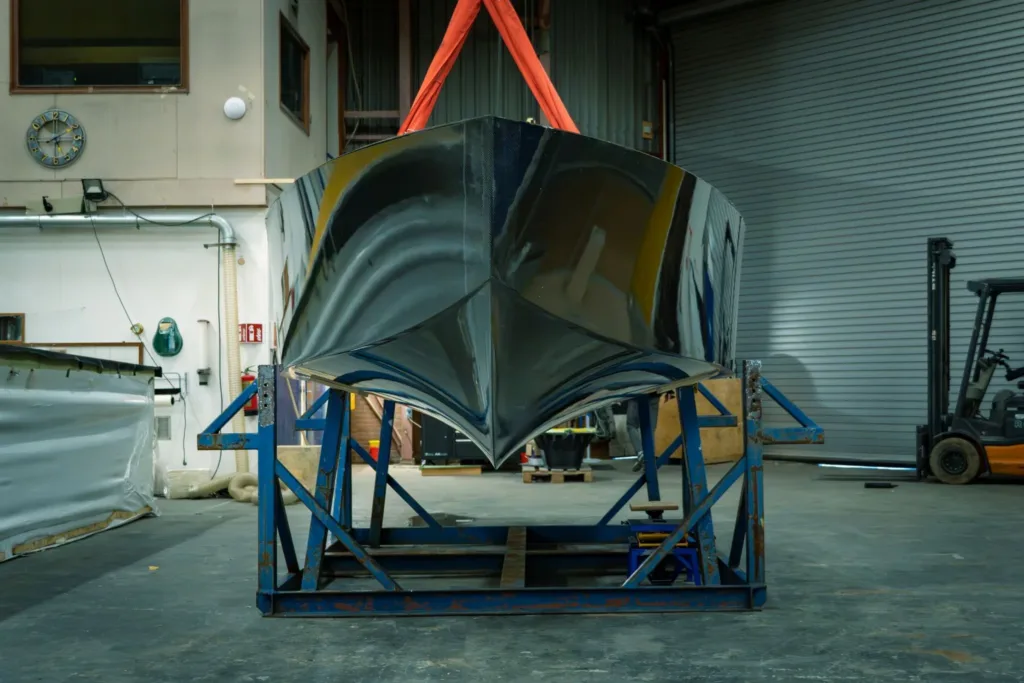
CFD support for the TU Delft Hydro Motion Team
The TU Delft Hydro Motion Team develops an innovative hydrogen-powered foiling boat to compete at the forefront of sustainable maritime technology. Designing an…
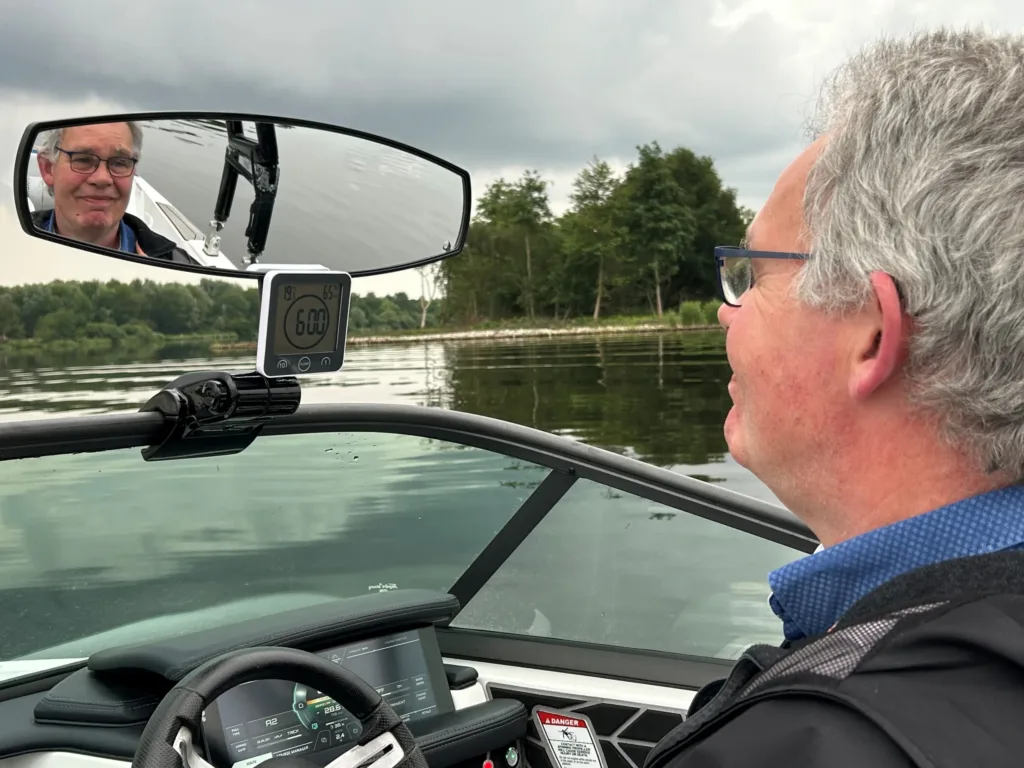
On the water with WSCP: supporting waterskiing in Groningen
Our connection with the club comes through our IT Manager Jan Willem, who has been involved with WSCP for many years and knows the Paterswoldsemeer very well.
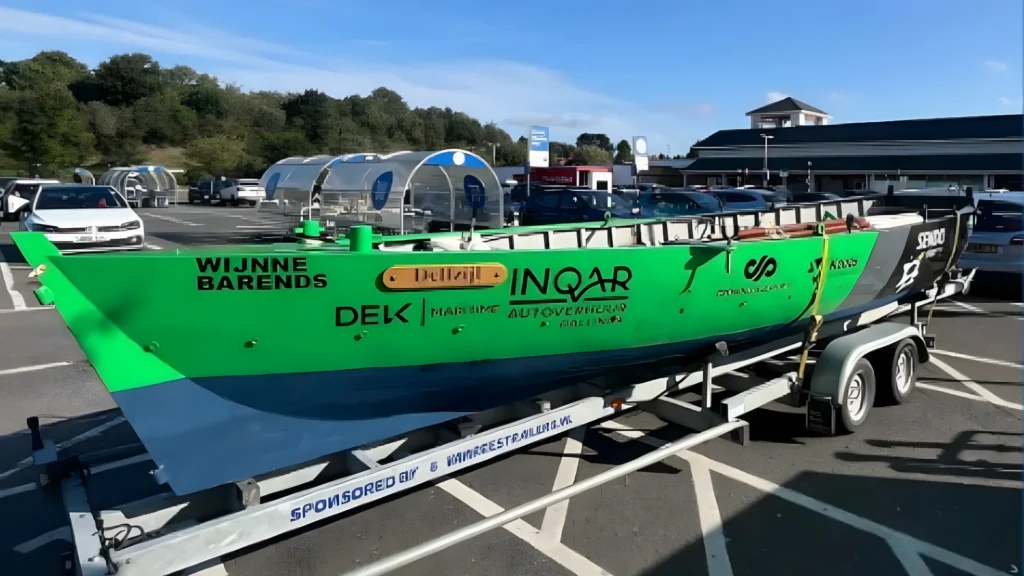
Delfzijl Rowing Club
Sloeproeivereniging Delfzijl, supported by DEKC Maritime, took part in the Great River Race, a 21.6-mile rowing marathon along the Thames in London.