

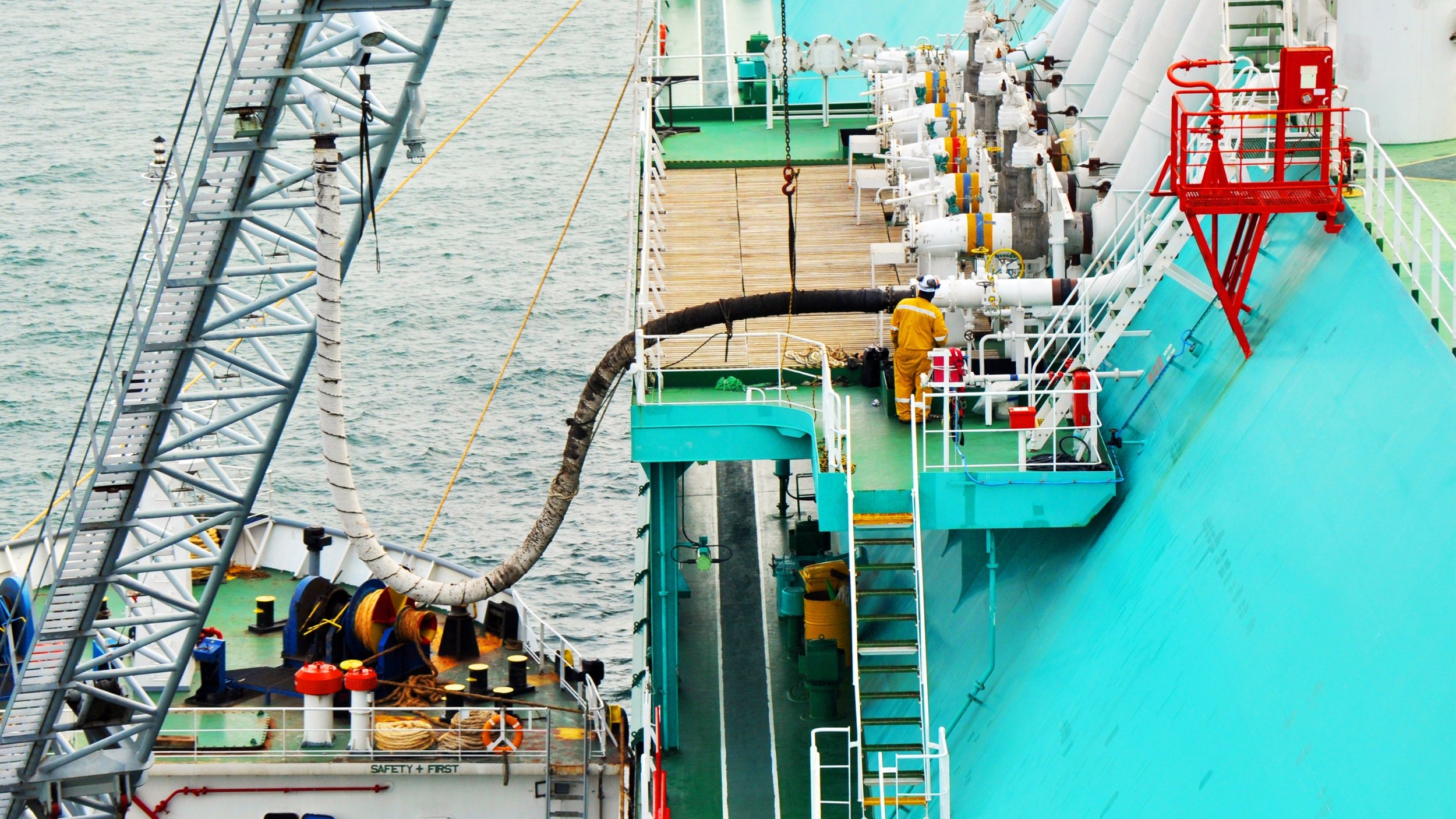
Alternatives to Fuel: Exploring the Possibilities
For centuries, the maritime industry has played a crucial role in global trade and the economy. Ships are the lifeline of international trade routes, but they also come with challenges, especially concerning fuels and environmental impacts. Nowadays, sustainability is almost a gi…
For centuries, the maritime industry has played a crucial role in global trade and the economy. Ships are the lifeline of international trade routes, but they also come with challenges, especially concerning fuels and environmental impacts. Nowadays, sustainability is almost a given factor in ship design.
Fossil fuels
For a long time, fossil fuels such as heavy fuel oil and diesel were the preferred choice for shipping. They were cheap and reasonably efficient, but they also brought significant drawbacks, including high CO2 emissions, air pollution, and the risks of oil spills. In the long term, these fuels are not sustainable, and something had to change to reduce the maritime industry’s impact on the environment.
Combustion engine or electric motor?
At DEKC Maritime, we always strive for the most economical solution, and sustainability is an intrinsic concern for us. However, the future of maritime fuel is highly dynamic, with continuous work on new and sustainable solutions. How these fuels will power future ships is also a big question: can we continue to use combustion engines coupled directly to a propeller (the most efficient option), or will we need to shift to an electric propulsion system (the most flexible option)?
Green hydrogen
When considering truly green fuels, everything starts with hydrogen. Hydrogen can be made directly from water and electricity: this means that if the electricity is generated from renewable sources (such as wind, solar, hydro, or geothermal), green hydrogen is carbon zero. However, hydrogen is very difficult to store for longer periods of time and it is highly flammable. Therefore, it is not ideal as a fuel for cargo ships.
Methane and methanol
Two alternatives to hydrogen are methane and methanol. In essence, methane is the same thing as LNG (liquid natural gas), which is a fossil fuel already in use in many ships. It is possible to produce methane using hydrogen and CO2, so if green hydrogen and renewable electricity is used in its production it is a carbon neutral fuel. Storage is still tricky with methane, as it must be stored in cooled and pressurized tanks. Methanol is a further step down the line, which can be made from hydrogen or methane. It is much easier to store in a ship but is toxic to humans. Furthermore, like hydrogen, both methane and methanol are still highly flammable.
The role of regulation
In the pursuit of sustainable alternatives to traditional fuels, the role of regulation and collaboration cannot be underestimated. Governments worldwide are recognizing the urgency of addressing climate change and are implementing stricter regulations on emissions and fuel consumption for the maritime industry. These regulations are spurring innovation and encouraging shipbuilders and operators to explore greener options.
Inherently more efficient
At DEKC Maritime, we have developed various concepts related to alternatives to fossil fuels. However, we have not applied them yet, as the market direction is still uncertain. This made us think: how can we design a vessel to be as flexible as possible, capable of sailing regardless of the fuel choice? Thus, we focus on making the design inherently more efficient. We concentrate on the fundamentals, something that benefits everyone involved, such as streamlined ships and steel sails.
More insights
Continue reading other updates and stories from our work.
40 Years of Pure Craftsmanship, Gerhard Venema’s 40-Year Work Anniversary
Some milestones are simply too special to go unnoticed. And celebrating 40 years of dedication, expertise and craftsmanship is certainly one of them.
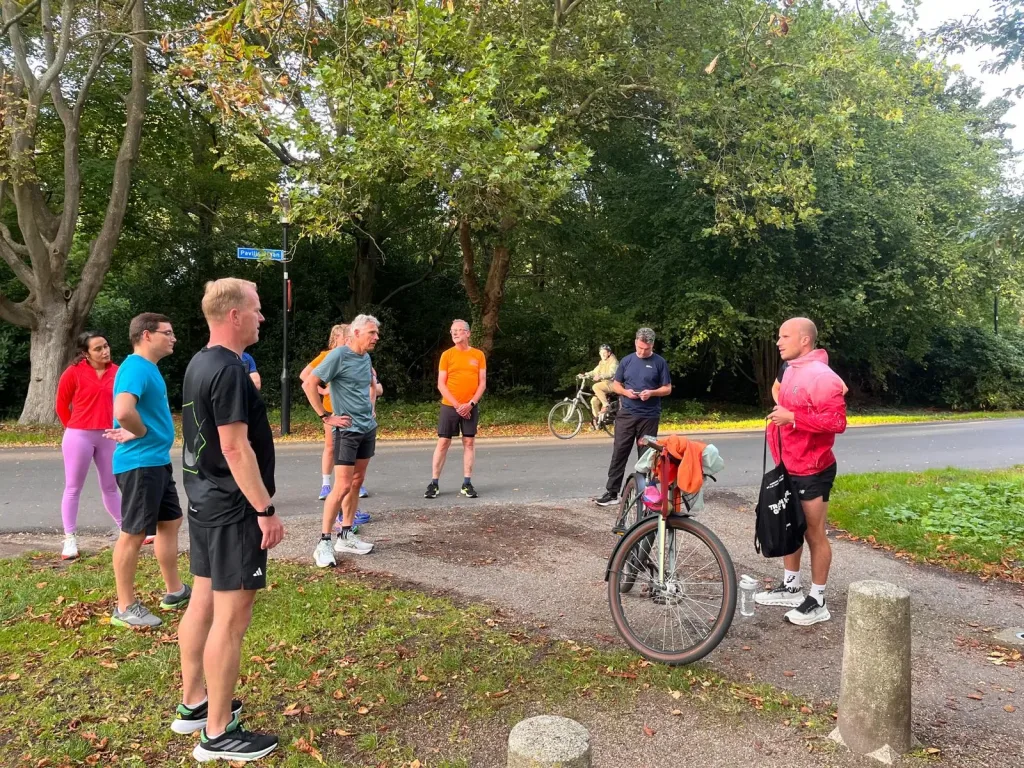
Engineering meets a game of interval tag
We’re lucky to get along just as well outside working hours as we do in the office. Some colleagues head to the pub together, while others prefer to challenge e…
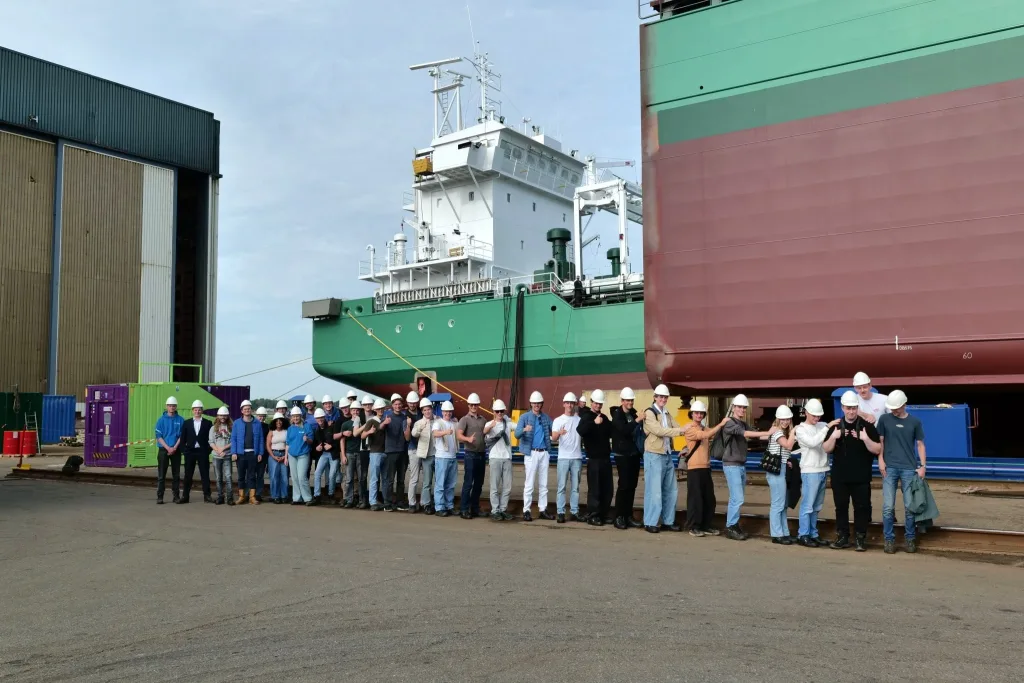
Future maritime talent gets a closer look at shipbuilding
Recently we welcomed 40 first- and second-year Maritime Engineering students from NHL Stenden and student association Navigo Ergo Sum (SV NES) for a full day fo…
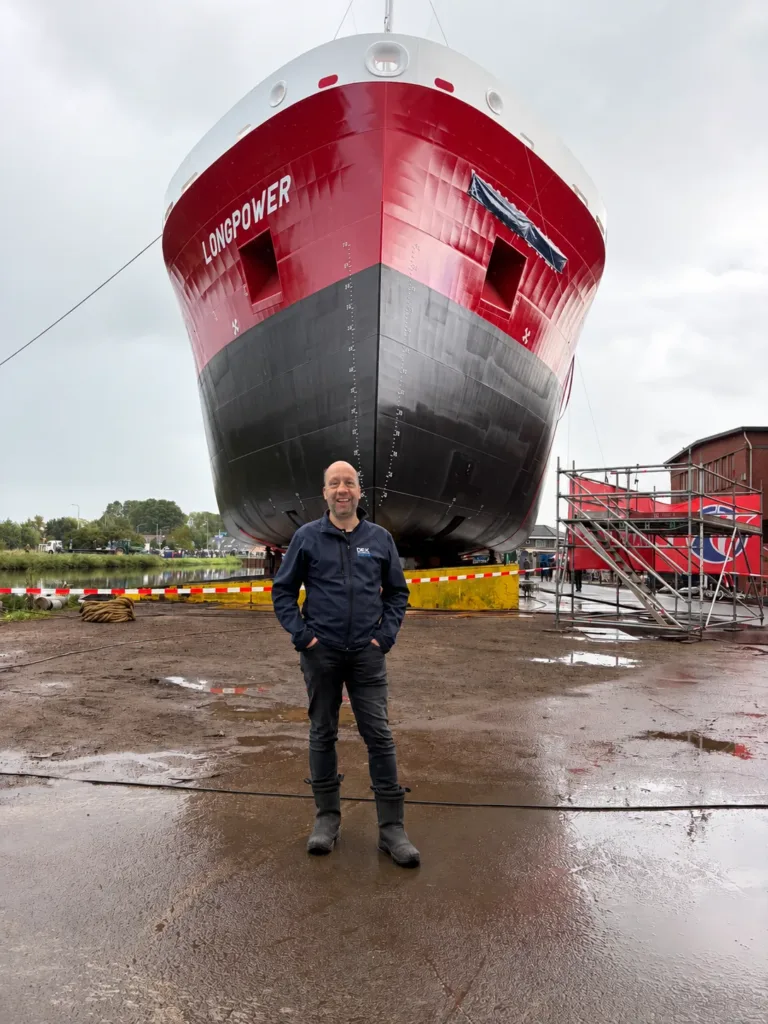
From engineering to launch: a proud moment for Age Jan
LONGPOWER, built for Longship, has successfully entered the water in Waterhuizen. The vessel is part of Longship’s PMAX ECO TRADER series of eight ships. Design…
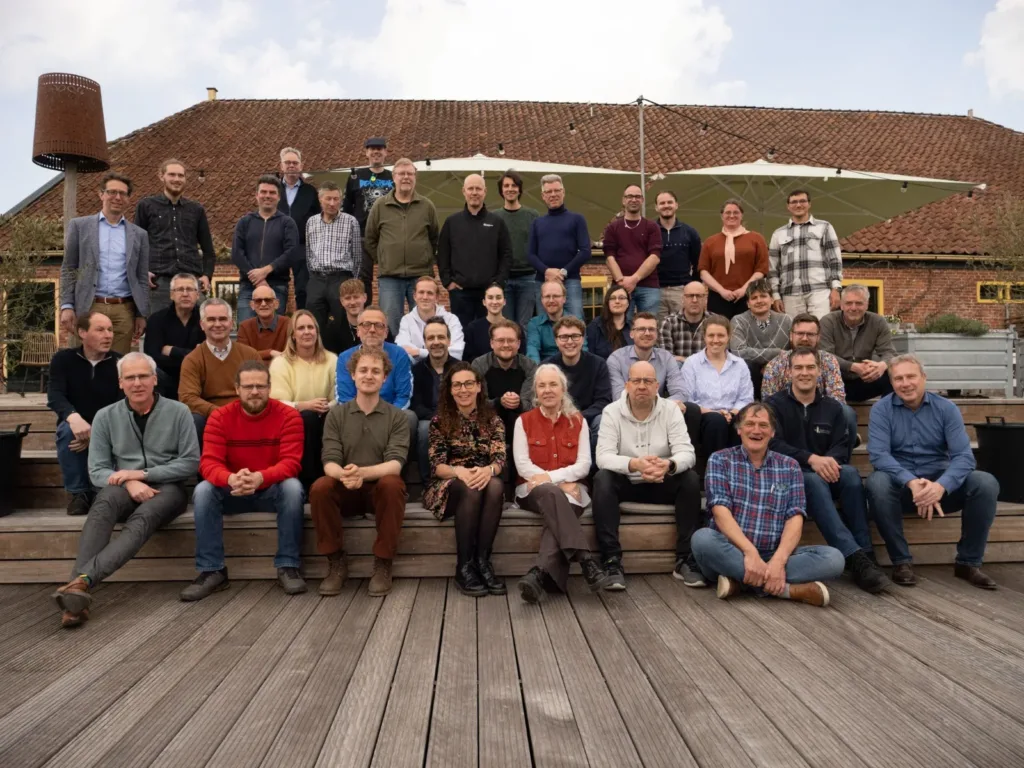
Staying on course, together
At DEKC Maritime, our people shape more than engineering projects. They also help shape the future of our company. As an independent design & engineering partne…
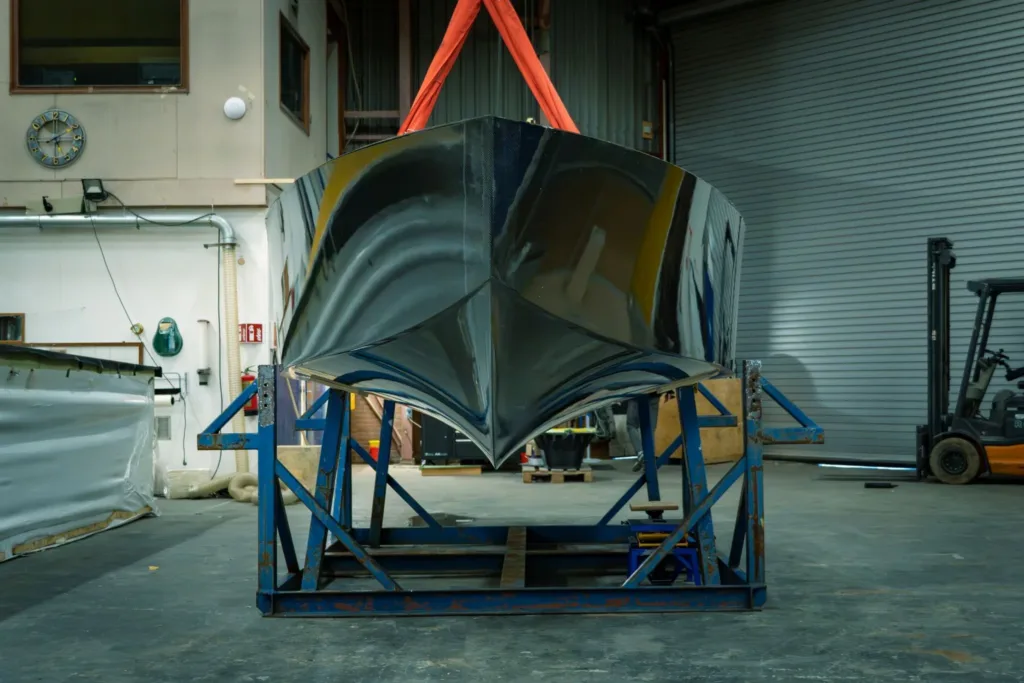
CFD support for the TU Delft Hydro Motion Team
The TU Delft Hydro Motion Team develops an innovative hydrogen-powered foiling boat to compete at the forefront of sustainable maritime technology. Designing an…
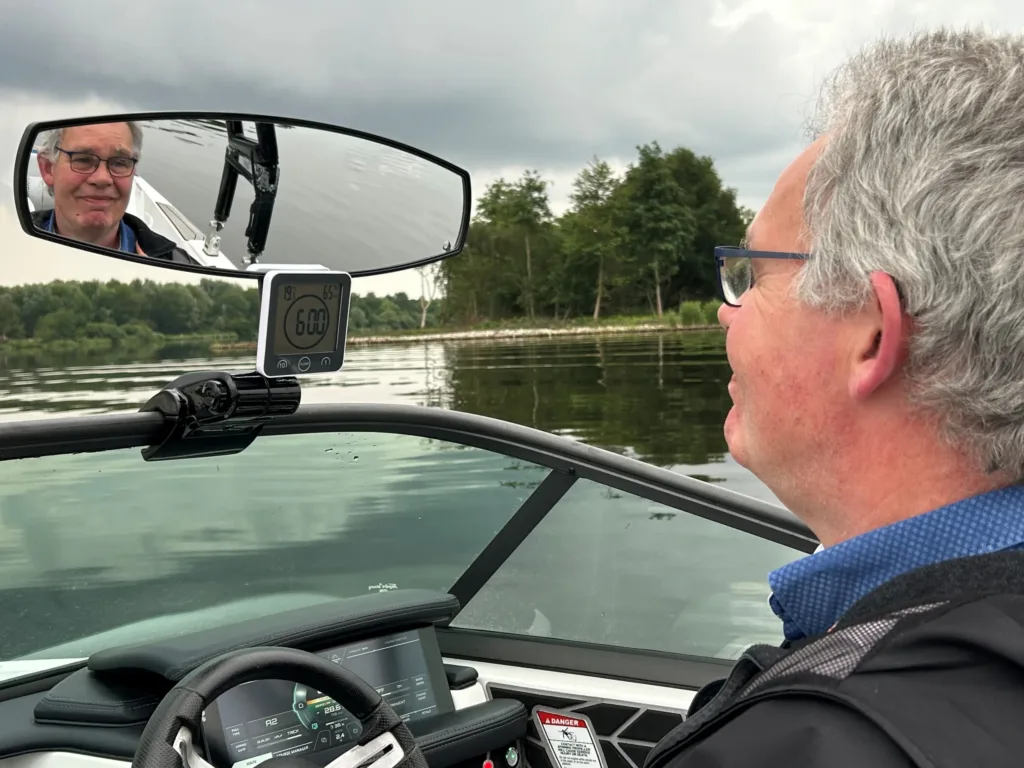
On the water with WSCP: supporting waterskiing in Groningen
Our connection with the club comes through our IT Manager Jan Willem, who has been involved with WSCP for many years and knows the Paterswoldsemeer very well.
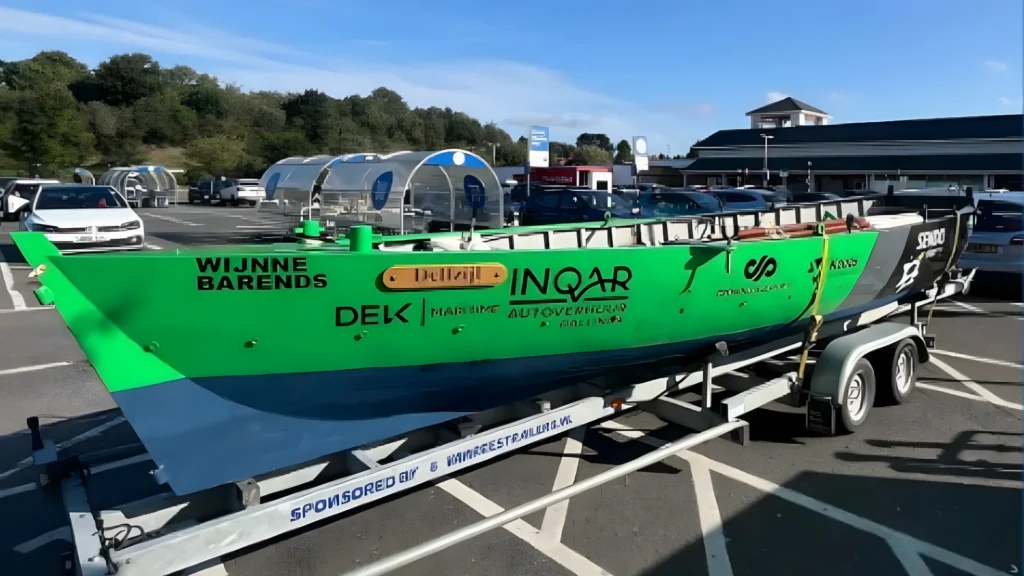
Delfzijl Rowing Club
Sloeproeivereniging Delfzijl, supported by DEKC Maritime, took part in the Great River Race, a 21.6-mile rowing marathon along the Thames in London.