
Four generations at the drawingboard.
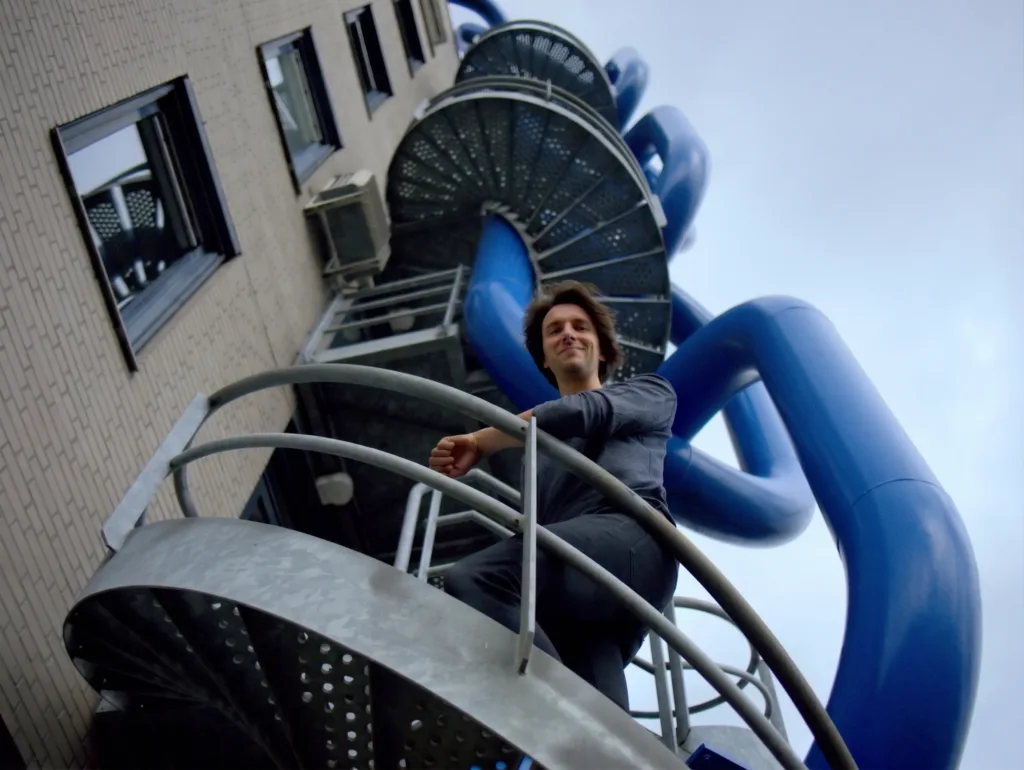
Lennard van Driel, Detail Engineer
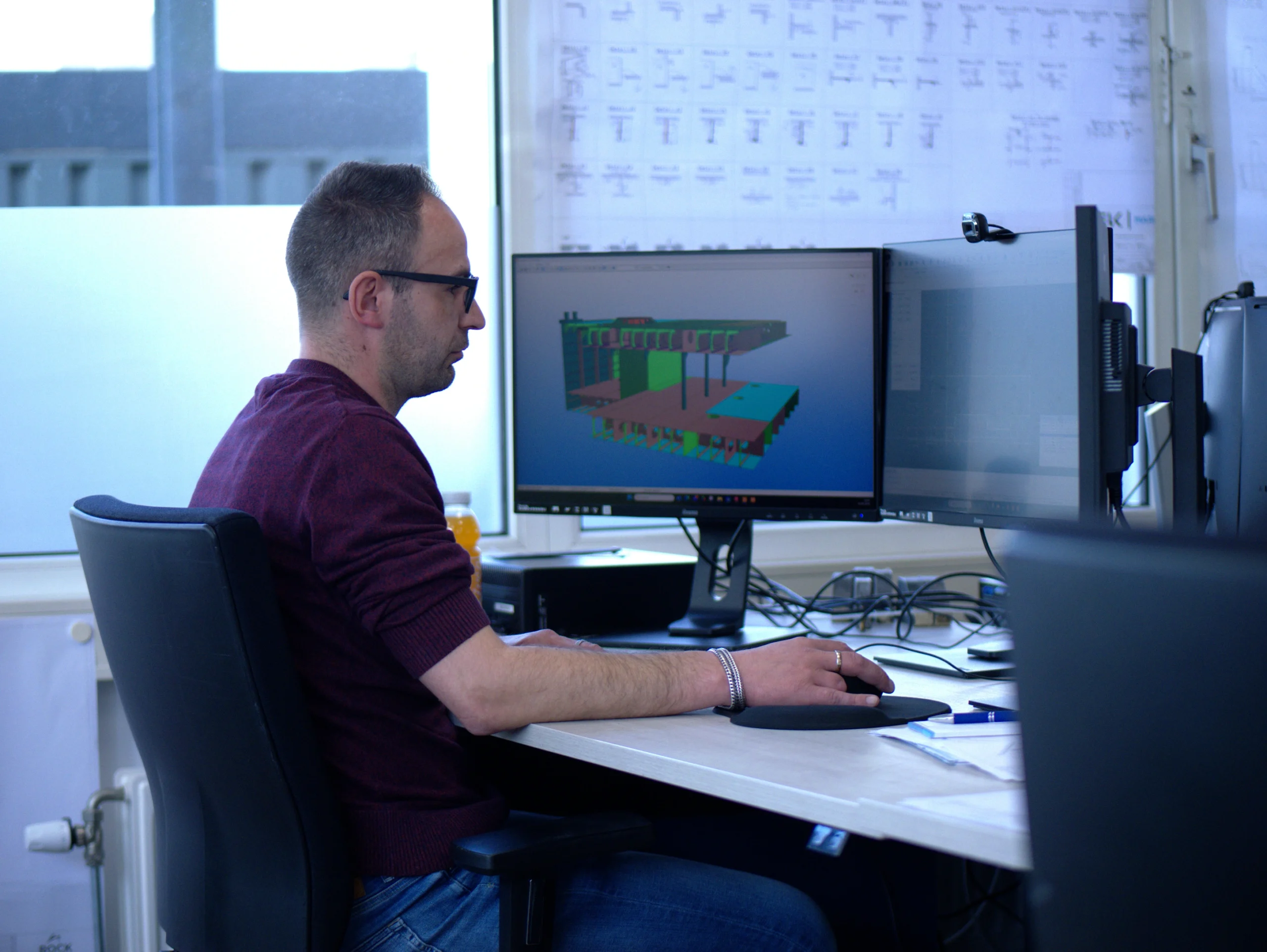
On the screen in front of him is a 3D model of a ship block, a cutaway view showing how the plates fit together.
"A ship is divided into blocks. It has to be, because the length, width and weight all need to stay manageable. The crane has to be able to lift it, and it has to fit through the doors of the shipbuilding hall. Walk into a hall like that and you'll often see those sections standing there. We produce the drawing you need to build a section like that."
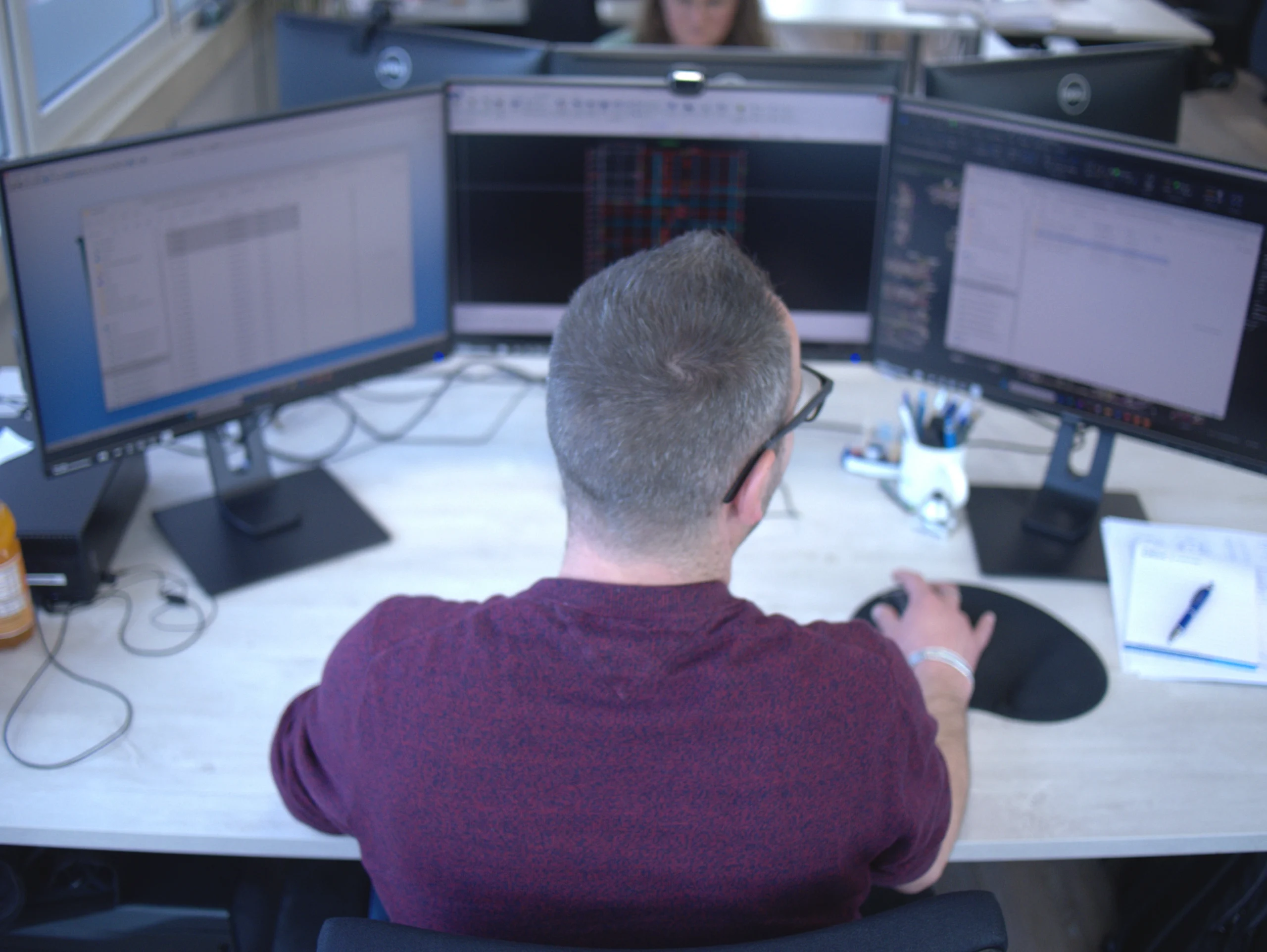
What appeals to him most is refining things. "A structural plan is already good in itself, but you want to make it better. All the details properly worked out, and easy to build for the people in the hall."
Then there is the puzzle-solving. Every project reaches a point where you think: how are we going to solve this? "One of the ships is now 99 per cent complete. She has some very tight spaces in her double bottom. A beautiful ship, but one with a lot of corners. The same question kept coming up: how do we put this together so the yard can build it and still get in afterwards to finish the welds?"
If he can't work it out himself, he sits down with colleagues. "Have a look, see what you think. So far, we've always found a way." Otherwise, they talk it through with the yard. "Sometimes we have a solution in mind and put it to them. Nine times out of ten, they're happy with it. Sometimes they come back with a different idea, and we make adjustments."
He speaks highly of how willing people at DEKC are to help. "It's easy to talk to people. You can go to anyone. We've recently moved into a new building. We used to be spread over two floors; now everyone's on the same floor. There are still three separate rooms, but you're more likely to pop in and see someone when you don't have to go up or down a flight of stairs first."
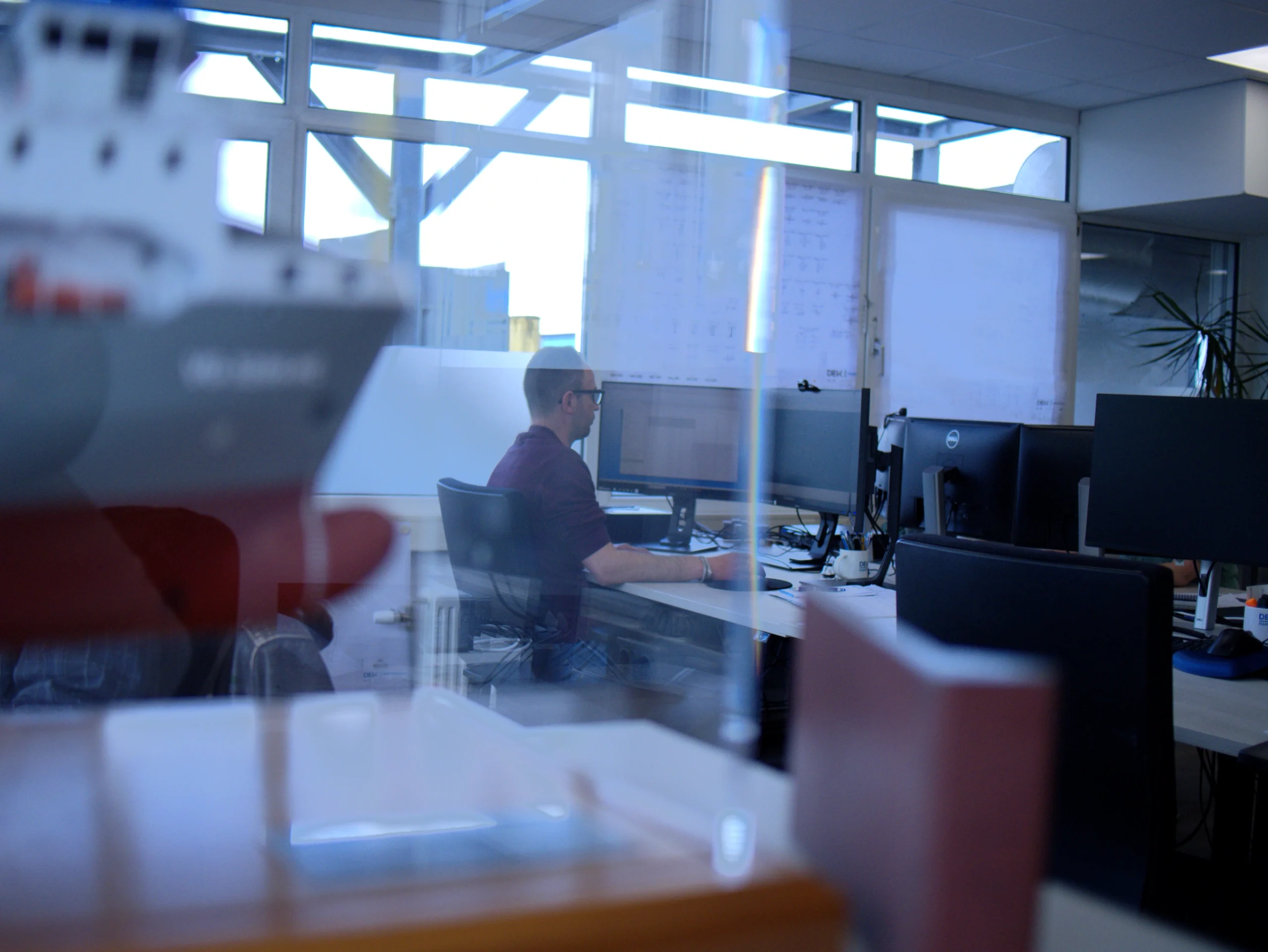
If a ship is nearby, Lennard goes to see it himself. Standing there, he gets to see in real life what was once only on his screen. Some of the shipyards are in Poland, which is a bit too far for a quick drop-in. But whenever it's possible, getting to see the ship with his own eyes is still the best part.
He recalls making two CGI videos for Centraal Staal and going along for a visit to the halls. "Those things are enormous."